


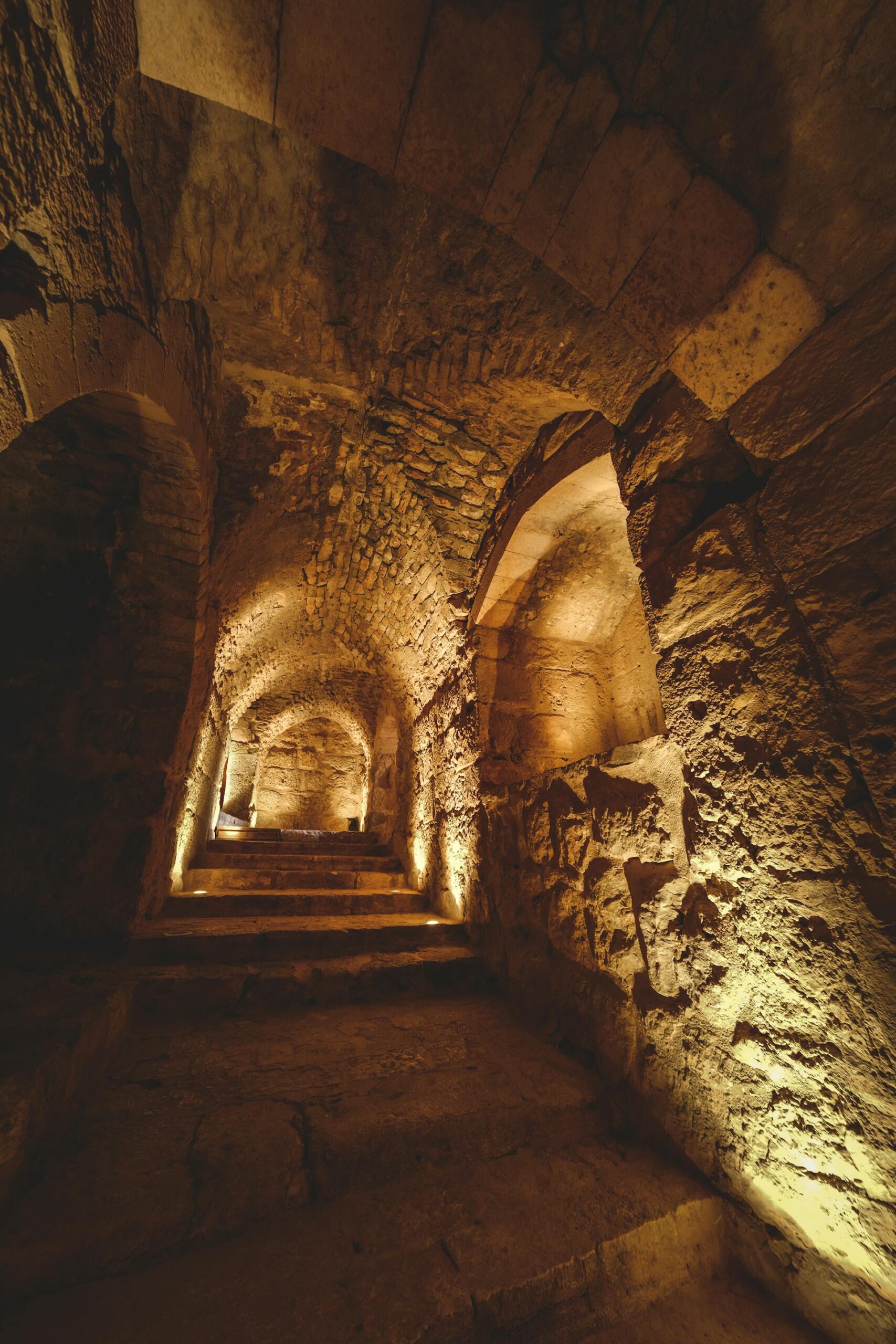
European cities contain hidden underground cities that exist throughout their entire continent. Most of them were found by accident, and most of the officials responsible for the ground above them knew exactly what was down there. The story of how a complete medieval settlement ended up sealed under one of Europe’s major capitals isn’t just a story about archaeology. The narrative describes how governments select certain information to ignore until construction materials force them to acknowledge it.
The broad pattern shows enough consistency that it approximately meets the criteria for a policy. A city experiences growth. The city constructs new buildings by developing existing sites,s which requires workers to create stable building foundations through the process of filling lower levels with rubble and earth. The buried layer changes from being a practical issue to becoming a political challenge after many years. The process needs an archaeological review to acknowledge it. The process needs an archaeological review to acknowledge it. The process needs an archaeological review to acknowledge it.
The process needs an archaeological review to acknowledge it. The process needs an archaeological review to acknowledge it. The process needs an archaeological review to acknowledge it. The process needs an archaeological review to acknowledge it. The process needs an archaeological review to acknowledge it. The process needs an archaeological review to acknowledge it. The process needs an archaeological review to acknowledge it. The process needs an archaeological review to acknowledge it. The process needs an archaeological review to acknowledge it. The process needs an archaeological review to acknowledge it. The system needs an archaeological review for its continuous operation. The old city remains hidden underground because the officials declare that nothing exists underground that requires their attention.
The strange part of this situation exists in its present form. European cities have provided documentation that shows that urban authorities maintained detailed records about medieval foundations that existed underground in their cities for multiple decades before construction projects entered those areas. The knowledge existed. It simply wasn’t volunteered.
When the Drill Hits Stone That Isn’t Supposed to Be There
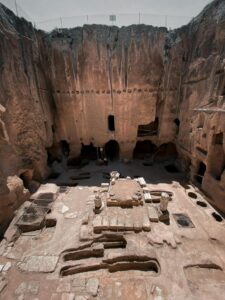
The process begins when construction workers touch any historic structural element because it leads to their mandated work shutdown which requires them to notify an archaeologist who eventually discovers more artifacts than anticipated thus extending the excavation area from its initial boundaries and transforming the official announcement which used to state that “we have no indication of significant subsurface heritage at this site” into “we are committed to responsible investigation of this remarkable discovery.”
The excavated material from these moments reveals its entire contents. Medieval cities were constructed as permanent settlements. The streets of the city contained stone-laid paths together with drainage systems and market structures, while some civic and religious buildings maintained their original height through their fundamental walls that still existed below the current street elevation.
The ground above hadn’t crushed them; it had preserved them. The stonework underneath sealed from air and moisture by centuries of earth has better preservation than above-ground objects, which receive basic protection as heritage sites.
The subterranean city exists as more than a typical ruin. It resembles a pressed flower because it lies flat against the ground yet maintains its original form.
Why Medieval Cities Get Buried in the First Place
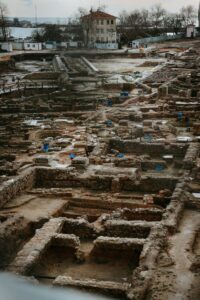
The mechanisms that control urban burial processes operate with less dramatic effect than their name suggests. Modern street levels reach higher elevations than medieval street levels because cities experienced continuous elevation growth through multiple centuries, which brought about debris accumulation,d refuse disposal, demolition waste, flood silt, and intentional landfill operations. When later civilizations construct buildings on existing sites, they do not usually dig through to discover ancient building foundations. The process establishes new construction from its existing base.
The gap between medieval street level and modern street pavement in certain European capitals extends to three to four to five meters. The height difference between the current ground level and the original street level was sufficient to completely engulf a two-story medieval building. Urban areas with dense populations that have developed continuously since medieval times have lacked both the incentive and desire to investigate their historical origins.
The “deliberate” element that tends to emerge in these cases isn’t usually a single decision by a single authority. Multiple decisions occurred through different processes, which included passing on the survey,d failing to review the archive, and conducting a limited archaeological study that focused on specific findings. People operated this way because their deception remained concealed, although they made no explicit choice to tell falsehoods.
What Gets Lost When the Denial Holds
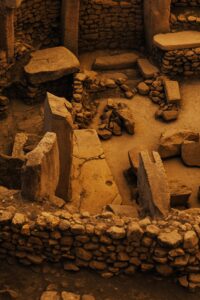
Urban archaeology suffers from research restrictions that create difficulties in measuring its human impact, which exists despite these challenges. Medieval cities displayed multiple architectural elements that revealed their actual design through their entire physical structure and their commercial, religious, and burial activities of common people who lived there.
When a layer is built over without documentation, that evidence doesn’t just wait politely for the next excavation. Infrastructure projects destroy it permanently. The construction process begins with foundation pouring. Workers create utility trenches through the ground. The medieval street that survived six centuries under the earth doesn’t survive six weeks of modern civil engineering.
The findings from the cities where researchers conducted drilling and subsequent investigations reveal new historical information that impacts the local historical narrative. Population estimates shift. Trade routes get redrawn. The official founding date, often a point of civic pride, inscribed on monuments and taught in schools, turns out to be off by a century or two. The city is older than it said it was. It always was.
The question worth sitting with isn’t why medieval cities end up buried. The process results from either natural scientific principles or the passage of time. The question is why so many of them stayed buried long after the people responsible for the ground above them had every reason to suspect what was down there, and chose, again and again, not to look.
This article was created with AI assistance and reviewed by author. The review included fact-checking, clarity edits, references and sourcing of images