


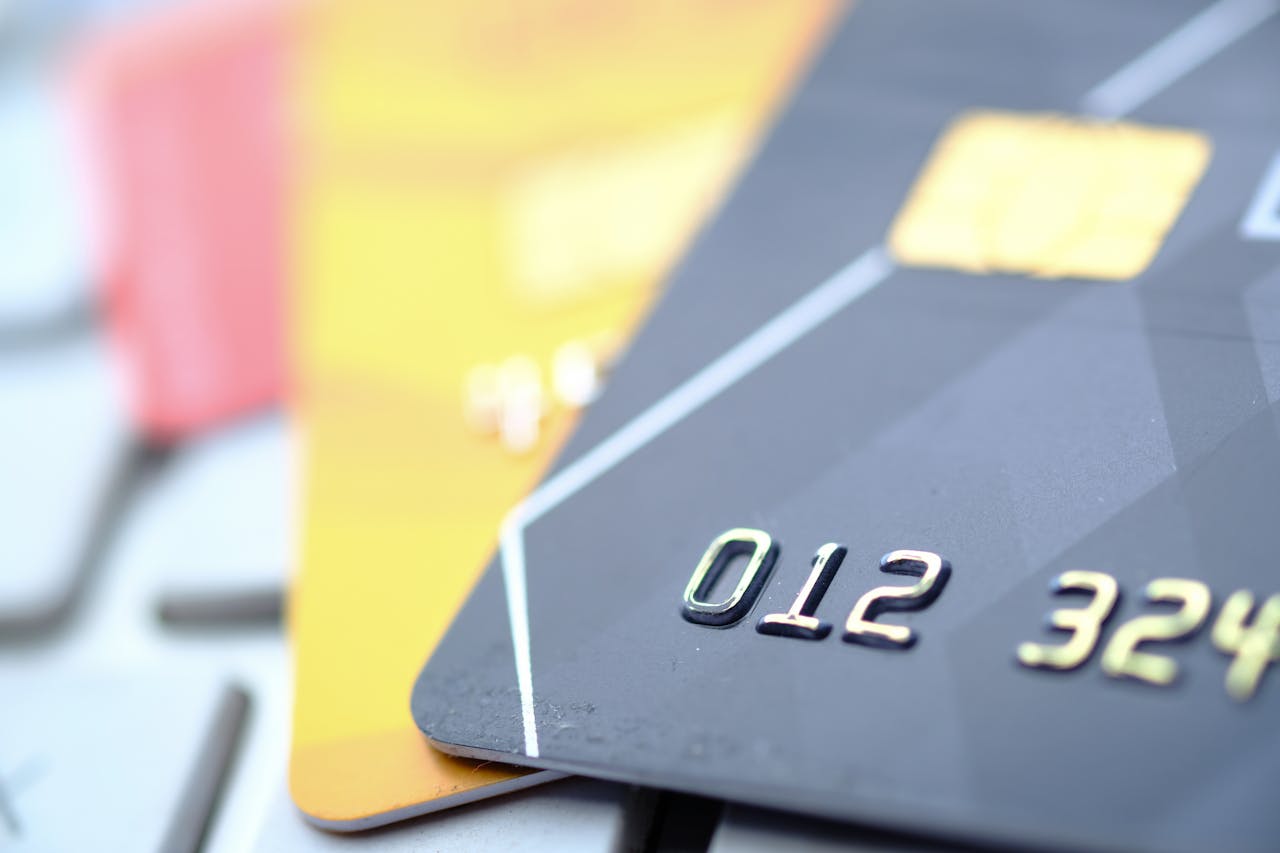
Your credit card chip is no ordinary piece of metal. It is a small computer carrying out cryptologic calculations too advanced for anyone to be able to reproduce them outright, as was done by thieves in days gone by when magnetic stripes could be cloned in bulk. The banks were right on that point. But there was far more to it than that.What makes it odd is that instead of curtailing credit card fraud, all the chip does is shift it from one avenue to another. When you close the door to any kind of security measure, the people trying to break in do not just leave. They look for a window. And that is precisely what has happened ever since the chip became the standard for credit cards in America and throughout most of the Western world.
What the Chip Actually Does
The EMV protocol, which is an abbreviation for Europay, Mastercard, and Visa, the companies behind its development, uses a concept known as dynamic authentication. In your magnetic card, there was always the same piece of data stored. Once you could read it, copy it, and make an exact replica. What does the chip do? Each time you make a payment using your chip card, the chip produces a unique encryption key. This key is of no use once the transaction takes place.

This is truly an amazing piece of technology. The chip talks to the payment machine via a handshake, proves its own identity using cryptography, and digitally signs every transaction using a private key that is stored within the chip itself and cannot be transferred out. This private key is held in a physically secure area of the chip that will destroy the key if anyone attempts to access it. Physically reproducing the chip and making a working clone of it is essentially impossible.
And there you have it. Period.
The Window the Criminals Found
The 16-digit card number, the expiration date, and the three-digit security code found on the reverse side of the card operate within their own universe when compared to the card chip. They remain static. Nothing changes with them, and yet they are ideal for any kind of online purchases or orders made by telephone, whenever there is no physical contact between the buyer and the chip.
This trend can be seen quite early in the implementation of chips in the countries that introduced them before the U.S. It was observed in the United Kingdom, where a switch in fraud trends towards online methods took place due to increasing difficulty in cloning cards.
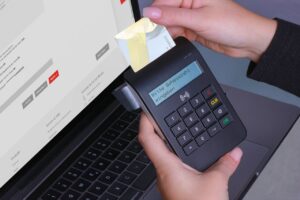
Indeed, the chip did its job. The thieves simply changed their ways. And while that may sound crazy, it is in fact exactly what we do. We design locks, observe people climbing in through windows, and design better windows.
It is no secret, discussed openly by payment processors, banks, and security researchers alike. In general terms, fraud has truly improved with the help of chips. Counterfeiting, the particular type of fraud for which the chip was originally designed, fell dramatically with the arrival of EMV cards. But that does not mean there has been no fraud.
What Researchers Keep Finding
In addition to the card-not-present paradigm, security experts have been working on the outer boundaries of EMV deployment for many years. No, it’s not about crypto – everything there is sound. It is about the flaws that can arise in the space between what is defined in standards and what is really happening at the time of implementation.
For example, terminal software cannot be considered homogeneous. It is influenced by bank or merchant configuration settings, so there may arise scenarios when the interaction between the smartcard and the terminal can give certain results depending on certain conditions.

Not all of them will be physically possible without certain equipment; some are rather theoretical. But from the scientific point of view, the implementation part appears to be more vulnerable than the chip one
Th.ere’s also the shimming problem. A skimmer was the device criminals used to steal magnetic stripe data, a thin overlay on a card reader slot. A shimmer is its successor: a nearly invisible device inserted into the chip reader slot that sits between the card and the terminal. It can’t clone the chip or steal the dynamic transaction code in a usable form. But it can capture the static data on the card, which is enough to enable online fraud. The attack is narrower than the old skimmer attacks, but it still exists.

Banks have responses to all of this. Tokenization systems, where your real card number is replaced by a substitute token for each transaction, address the card-not-present exposure. Virtual card numbers serve the same purpose. Behavioral fraud detection, which flags unusual spending patterns in real time, catches a lot of what slips through. The security ecosystem around payment cards is genuinely sophisticated and getting more so.
The Honest Version of the Story
The chip did what it promised. Counterfeiting a physical card went from a scalable criminal industry to something that requires impractical effort. That’s a real win, and it shouldn’t be dismissed.
But “unbreakable” was always a marketing framing, not a security claim. Serious cryptographers don’t use the word unbreakable. They talk about computational infeasibility, attack surfaces, and threat models. The chip is computationally infeasible to clone. The number printed above it is not protected at all. Those are two different things that banks sometimes let people conflate because the distinction is uncomfortable.
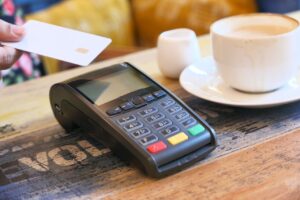
The most honest summary is this: your chip card is dramatically safer than your old stripe card was for in-person transactions. For online transactions, it offers you almost nothing. The number on the front is as exposed as it ever was. Every time you type it into a website, you’re trusting that site’s security infrastructure, not the chip in your wallet.
If banks were as confident in the full system as they are in the chip alone, they probably wouldn’t still be sending replacement cards after data breaches. The chip is unbreakable. The rest of the card is a different story.
This article was created with AI assistance and reviewed by Charlotte Dayes, author at NewsDailys. The review included fact-checking, clarity edits, and sourcing of images.