


The gold backing of the money in your wallet ended in 1971. Few people realize this. Even fewer realize and perhaps they should that the place where you live is filled with things which, just a generation ago, would have only been possessed by the very rich.

This is not a matter of history; living people are old enough to remember when their houses didn’t include many of these things. Things their parents could only dream about having. Yet here they are: appliances, beds, fans, devices too common for anyone to even think of them as luxuries. But that’s the whole idea.
Here are 12 things in your home right now that, prior to 1970, represented wealth which the average American could only aspire to.
1. The Refrigerator
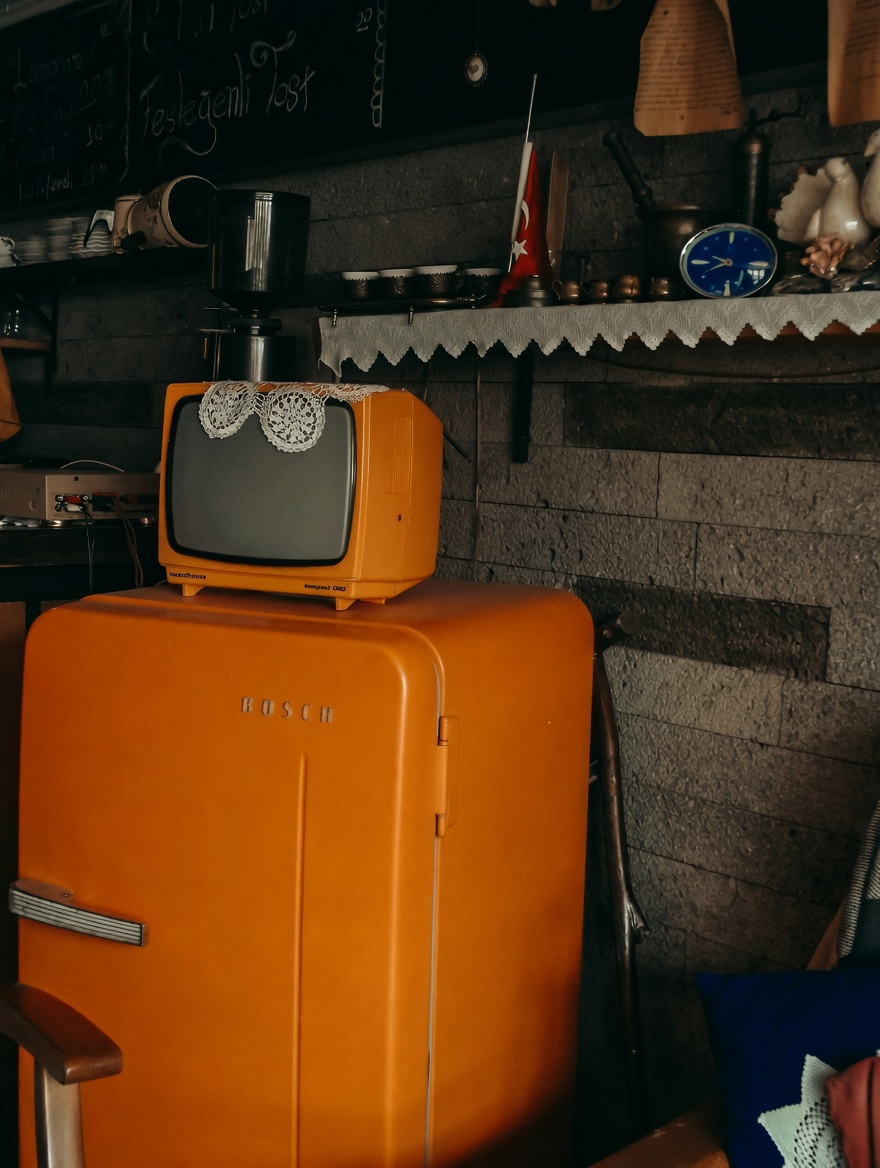
Mechanical refrigeration was a rich person’s appliance well into the mid 20th century. Before widespread adoption, most American households relied on actual ice, delivered by hand, stored in insulated boxes, to keep food from spoiling.
The transition to electric refrigerators happened gradually, and even by the late 1940s, ownership wasn’t universal. A working refrigerator in the kitchen was a marker. People noticed.
2. Wall to Wall Carpet
Fitted carpet covering an entire room floor was, for most of American history, a statement of serious money. Bare wood, linoleum, or s
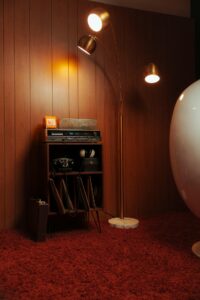
mall rugs were the norm in ordinary homes.
The mass production of synthetic fibers after World War II started to change this, but fully carpeted rooms remained aspirational into the 1960s for many households.
3. Central Heating
Here’s the strange part: most Americans heated their homes room by room well into the 20th century, clustering around a single wood-burning stove or coal furnace, letting the rest of the house go cold.

Central heating, warm air moving through every room, controlled by a single thermostat, was a luxury that came standard in expensive homes long before it trickled down to everyone else.
4. A Dedicated Bathroom (With Hot Running Water)
An indoor bathroom wasn’t guaranteed until surprisingly recently in American domestic life. Running hot water, on demand, from a tap? That was the detail that separated wealthy homes from working-class ones for decades.
The combination of indoor plumbing plus a water heater plus a full bathroom was, in many parts of the country, a mark of affluence through the first half of the 20th century.
5. The Telephone
Before the telephone became a universal fixture, it was a subscription service that cost real money. Early in the 20th century, having a telephone in your home put you in a specific economic bracket. The calls were expensive.
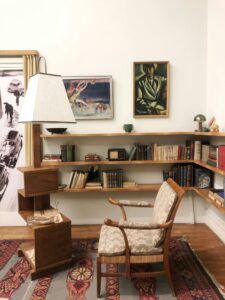
The equipment was leased. And the network of people you could actually reach was, for a long time, mostly other people who could also afford to be on it.
6. A Spring Mattress
The coiled spring mattress, the kind that became so standard we stopped noticing it, was a manufactured product that cost money to produce and money to buy.
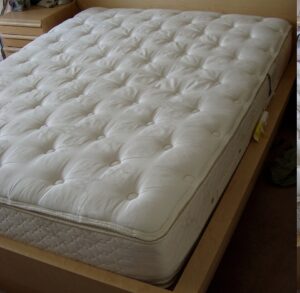
Before it became accessible, most ordinary Americans slept on straw, cotton batting, or whatever filling was cheap and available. A proper spring mattress was something you saved for, or inherited, or bought only once things were going well.
7. Electric Lighting Beyond One or Two Rooms
The process of electrifying homes proved to be costly and limited. Connecting the wiring for the entire house could take up some time. Having light bulbs all over the house and not just in the main room or the kitchen was a luxury that the rich had access to. This was, for many years, a picture of wealth.

8. A Mechanical Washing Machine
Laundry, before the electric washing machine, was physical labor. Hours of it, weekly, by hand or with a washboard. The mechanized wringer-washer arrived in the early 20th century, but it was an appliance purchase, real money.
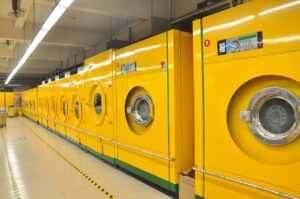
Automatic washing machines, requiring no hand wringing at all, took decades longer to reach ordinary homes. Until then, you washed by hand or you paid someone else to do it.
9. A Shower
Shower stalls, as we know them today in the domestic setting, are not nearly as old as one would think. Bathtubs preceded shower stalls and were considered a luxury item for workers’ homes at that time. Even then, the showers stalls that had consistent water pressure came from homes or facilities for the rich class.

10. Window Screens
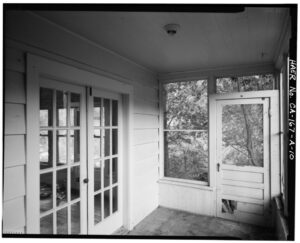
A screened window may seem like such a simple idea. However, the fact remains that there were costs involved in the production, cutting, fitting, and installing of screened windows. In the time when these costs were not so small, only rich people could afford screened windows, while poor people could not, which put them at a health risk from insects.
11. A Spare Bedroom
Space was considered a luxury. The idea of having a room without any particular purpose, such as a guest room, study room, sewing room, would be considered a concept where there is enough space not to require every room to do its bit. The working class as well as the middle class lived in houses that made full use of the available space.

12. A Home Freezer
Even though the refrigerator had become commonplace, the chest freezer or upright freezer in the basement or garage was still considered another appliance entirely. This would allow you to buy in bulk, freeze your foods, and run your house more efficiently. The ability to do so before becoming cost-effective was an actual benefit to being wealthy.

The list doesn’t shrink when you look closely at it. It grows. Every ordinary convenience in your home has a history, and in almost every case that history begins the same way: expensive, rare, and reserved for people who could afford it. The strange thing isn’t that these items used to be luxuries. The strange thing is how quickly we forgot.
Most people who live surrounded by all twelve of these things will never once think of themselves as living better than a wealthy American of seventy years ago. But by almost any material measure, they are.
This article was created with AI assistance and reviewed by Charlotte Dayes, author at NewsDailys. The review included fact-checking, clarity edits, and sourcing of images.