


The coin in your wallet today may well be worth more than the coffee you bought with it. It’s not an idiom. The truth is that some of the coins used today have collector value which may run into hundreds of dollars without the person using them knowing what they’re giving away. Coin dealers have said this for many years, but most people don’t seem to have listened.
What’s even stranger is the fact that the coins most likely to be used without realizing their value aren’t old or rare coins. They’re like any other coins. Same size, same weight, same drab appearance in the jar at the back of the drawer. It all comes down to a number a mint mark, a year, a little letter below a picture that few people ever considered looking at.
What Makes a Circulating Coin Valuable
Answer: Scarcity, Condition, and Timing. In any given year, when a mint strikes less coins, whether because of a technical innovation, wartime shortage of materials, or a new design for a particular coin type, the supply becomes limited, and the surviving specimens in good condition become rare indeed. And when supply falls in any market, prices rise accordingly.

Sometimes, the coins’ condition plays second fiddle to the nature of their manufacturing flaw, which often causes a significant value increase. Sometimes, a machine double-stamps its design onto a coin, or misplaces a part of it on the coin itself. The resulting coin passes through the process of quality control undetected and finds its way into the marketplace, only to be collected with great vigor by dedicated collectors.
Changes in composition can be important factors in determining the price of a coin. When America stopped using precious metal in most coins during the late ’60s, the old metal coins did not vanish suddenly. Some circulated for many years, some continue to circulate to this day. In such cases, the value of a coin is determined by its intrinsic metal content value apart from the collector interest at all.
The Mint Mark Problem
The one aspect of an American coin that is least known is the mint mark, a small letter denoting where that particular coin was made. All four cities Philadelphia, Denver, San Francisco, and the defunct Carson City and New Orleans Mints – minted the same denominations but in different quantities. In fact, a coin minted during a low production year at a branch mint will be worth many times more than the same denomination minted in the same year but by the Mint in Philadelphia.

In most cases, the average person will not know how to locate a mint mark or what it means. It is precisely because of this lack of information that precious coins continue to flow through our pockets.
State quarters are a more recent example. The series that ran from the late 1990s into the 2000s produced billions of coins, but not all equally. Certain state issues had lower mintages than others, and specific error varieties from that run now attract real collector interest. The odds of encountering one in change aren’t astronomical. The odds of recognizing it without knowing what to look for are much lower.
The Ones Worth Watching For
Coins commonly cited by coin collectors as sleeper candidates for circulation include certain groups of pieces in particular. Any pre-1965 dimes, quarters, and half dollars with 90% silver composition. Specific Kennedy half dollars dating from the mid-1960s with lower, but still substantial, silver content.
Wheat pennies, the previous design of the Lincoln cent used prior to 1959, which may show up at times in antique piggy banks and family collections coming back into circulation. 1976 bicentennial quarters and Eisenhower dollars, whose value varies based on mint mark and grade. And finally any errors coins from any period, by definition impossible to predict.
The buffalo nickel, standing liberty quarter, and Mercury dime are all no longer circulating. Their heirs by the same logic of the coin collectors, however, certainly are. The formula remains unchanged: low numbers and age mean high value.
What You Actually Need to Do
Check your change, but do it sporadically rather than compulsively, at home, before your coins go into a jar or a parking meter. The date and the mint mark are the key criteria here. Just checking them against a reliable coin value list should give you a fair idea of whether it would be worthwhile to hang onto what you’ve got.
The condition of a coin is of immense importance when it comes to collectors’ valuations. A coin that has been carried in a pocket for years and years is going to be rated far below one that has remained unspent since leaving the mint. However, there is a premium to be earned on even used copies of rare coins, which puts them above quarter value.

According to coin dealers, such items can sometimes turn up in collections created by people who didn’t realize what they were doing. Estate sales frequently turn up coins that have been stored away for decades, perhaps even centuries, in bottles or jars without ever having been identified. While this may sound like an exaggeration, such items do exist.
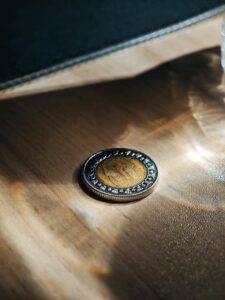
The reasonable question isn’t whether valuable coins are still out there in circulation. They are. The question is whether the next person to handle one will be the first to actually look at it, or whether it’ll pass through another dozen cash drawers before someone finally does.
This article was created with AI assistance and reviewed by Charlotte Dayes, author at NewsDailys. The review included fact-checking, clarity edits, and image sourcing.