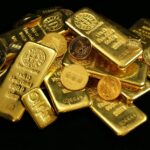


The dollar in your wallet is backed by trust. But for most of human history, the thing people trusted was whatever was hardest to get. Rare. Portable. Wanted by everyone. And for a startling stretch of recorded time, the answer to that description was sitting in someone’s spice rack.
Here’s what’s strange about commodity currencies: they didn’t fail because people stopped wanting them. They failed because someone figured out how to make more of them. The moment scarcity collapsed, the value did too. This is the exact same logic behind every currency crisis in modern history, just with a more interesting origin story.
When Pepper Was More Valuable Than Rent
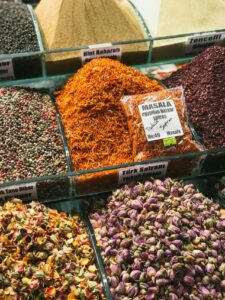
Peppercorns were once accepted as rent payments, tax installments, and even dowry components across medieval Europe. Not because people were desperate for seasoning. Because pepper was almost impossible to get. It had to travel thousands of miles from South and Southeast Asia, survive pirates, middlemen, and months at sea, and arrive in quantities small enough that only the wealthy could afford it by the peppercorn. That phrase, “peppercorn rent”, still exists in English contract law today as a placeholder for nominal value. The ghost of a medieval commodity economy is haunting a modern lease agreement.
Pepper wasn’t alone.
The 12 Items That Once Ran the Economy

Salt is the one still on your kitchen shelf. Roman soldiers were reportedly paid partly in it, which is where the word “salary” may come from, though etymologists still fight about that. Worth noting. What nobody argues is that salt preserved food before refrigeration existed, which made it functionally irreplaceable. And irreplaceable things become money. They always do.
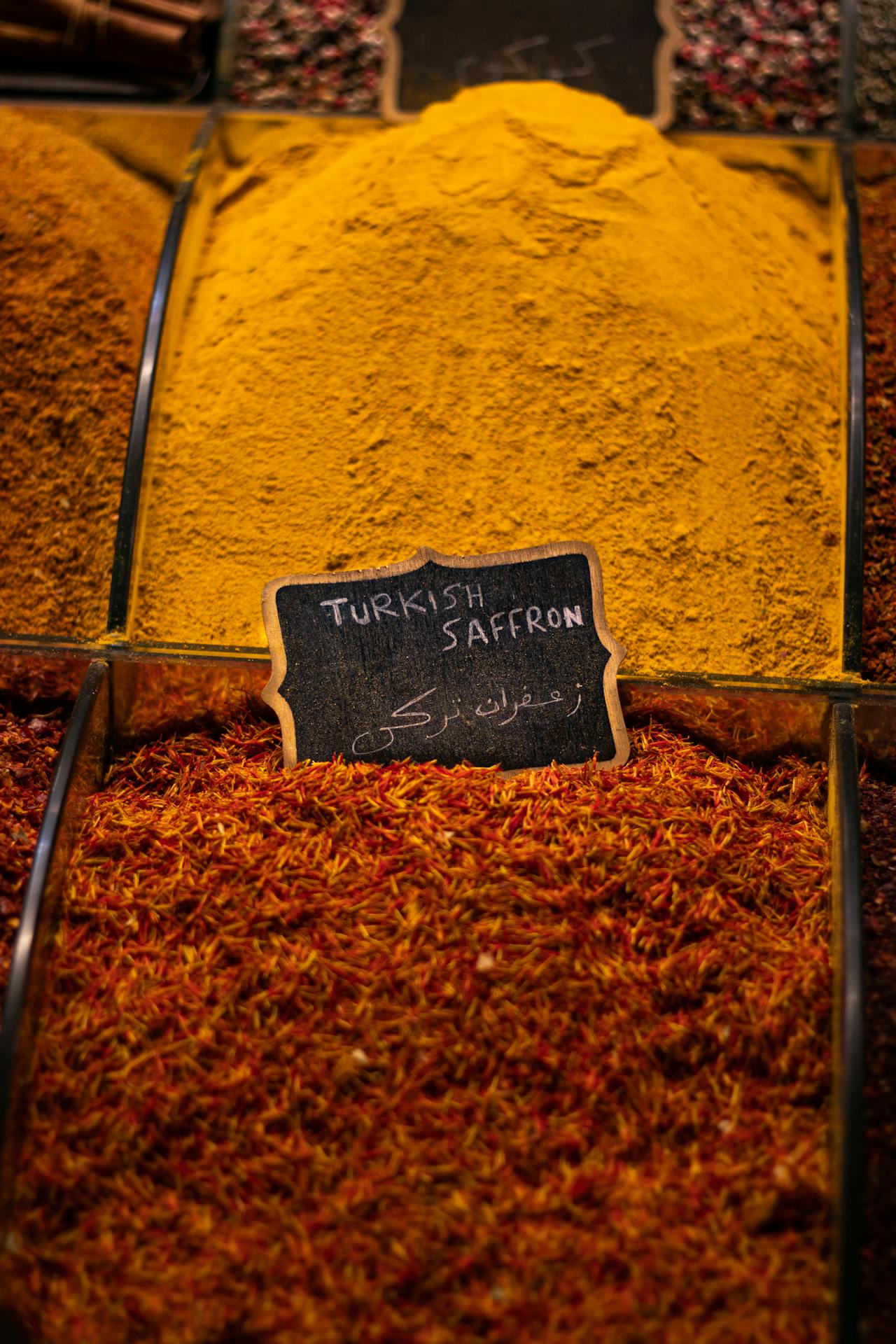
Saffron commanded prices that made it the gram-for-gram equivalent of precious metal in parts of medieval and early modern Europe. Nutmeg was controlled so aggressively by colonial trading companies that wars were fought over the islands that grew it. Vanilla was so labor-intensive to produce that it functioned as a luxury trade good for centuries before synthetic vanillin changed everything in the industrial era.
Cacao beans served as literal currency in Mesoamerican civilizations, used to pay workers and purchase goods in markets. Dried cod underpinned entire North Atlantic economies for centuries, portable, preserved, and valuable enough to function as a de facto exchange medium where metal coin was scarce. Tea bricks were pressed, traded, and accepted as payment across Central Asia in compressed blocks that held their value precisely because they could also be consumed.
Tobacco became legal tender in colonial Virginia. Sugar ran Caribbean plantation economies as a commodity so valuable that it was weighed and traded like bullion. Olive oil appears in ancient records as a tribute payment. Grain underpinned ancient Egyptian administrative systems as a store of value and wage equivalent for generations of workers.
The Pattern That Explains All of It

Here’s the thing: every item on this list shares one feature, scarcity that couldn’t be faked. You couldn’t counterfeit a peppercorn. You couldn’t cut saffron with something cheaper and expect a merchant in Constantinople not to notice. The commodity was its own authentication. And the instant technology, trade routes, or sheer agricultural scale made any of these things abundant, vanilla synthesis, global salt extraction, industrial sugar, their monetary role didn’t slowly fade. It collapsed.
Which sounds like ancient history until you remember that the U.S. abandoned full gold convertibility in August 1971 and that every central bank printing currency faster than its economy grows is running the exact same experiment. The grocery aisle just has better packaging.
The salt shaker on your table was once the most powerful financial instrument a person could own. Most people will shake it on their eggs this morning and never think about it once.
This article was created with AI assistance and reviewed by the author. The review included fact-checking, clarity edits, references, and sourcing of images