



The dollar in your wallet isn’t backed by gold. But in the 1920s, something else was quietly backing the American economy, and it was far more fragile. It was consumer debt. Specifically, a new and largely unregulated system of installment credit that let ordinary Americans buy things they had never been able to afford before, on terms that seemed reasonable right up until they weren’t.
Economists who study the Depression era point to something schools still underemphasize: the crash of 1929 didn’t happen in a vacuum. It landed on an economy already stretched thin by years of consumer borrowing. The stock market collapse was the match. The installment debt was the fuel.
And here’s the strange part: the items people were financing weren’t luxuries in any exotic sense. They were ordinary household goods. The kind of things that, today, most Americans would simply buy outright or put on a credit card without a second thought. In the 1920s, buying them on installment was new. Radical, even. And the cumulative effect, economists argue, was catastrophic.
The Installment Plan Arrives in the American Home

Before the 1920s, credit was something businesses used, not families. The idea of an ordinary wage earner walking into a store and financing a household appliance was genuinely novel. Then the automobile industry changed everything. When automakers began offering installment purchase plans in the early 1920s, the model spread fast. Furniture retailers adopted it. Appliance dealers followed. By mid-decade, installment buying had spread well beyond automobiles to furniture, appliances, and other household goods, representing a dramatic and historically novel expansion of consumer credit.
The logic seemed sound. Wages were rising. The economy was booming. Why wait to own something when you could have it now and pay over time?
Here are ten of the items Americans were financing, and why economists say the pattern mattered.
1. Automobiles

The car is where modern consumer credit was born. Installment auto financing transformed a luxury item into something a factory worker could plausibly own, and millions did. But it also meant millions of households were carrying ongoing debt obligations. When income fell even slightly, car payments became unsustainable. When incomes collapsed in the early 1930s, car payments became unsustainable for millions of households, and repossessions rose dramatically alongside surging unemployment.
2. Radios
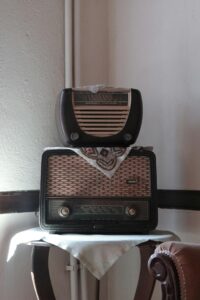
The radio was the defining consumer technology of the 1920s. Prices dropped as the decade progressed, but installment plans made them accessible even sooner. Families financed their sets and gathered around them nightly. A marvel. Also, a monthly payment.
3. Refrigerators

Electric refrigerators carried price tags that could equal several weeks’ or even months’ wages for a typical working family, far beyond what most households could pay in a lump sum. Installment plans put them in kitchens that otherwise wouldn’t have seen one for years. They were sold hard on the promise of modern convenience, and bought hard on terms that assumed stable employment.
4. Washing Machines

The electric washing machine promised to end one of the most labor-intensive domestic tasks. Manufacturers marketed them aggressively with installment terms. The pitch was essentially: let the machine work so you don’t have to. The monthly payment was a quieter part of the pitch.
5. Vacuum Cleaners

Door-to-door vacuum salesmen became a cultural fixture of the era, and installment plans were part of their standard close. The machines were a meaningful expense relative to household incomes, enough that an outright cash purchase was out of reach for many working families. Financed in small payments, they seemed affordable. Multiplied across millions of households, they represented real aggregate debt.
6. Furniture

Furniture had been sold on installment longer than most goods, but the 1920s saw the practice expand dramatically. Whole living rooms, sofas, chairs, tables, and lamps could be furnished on a payment plan. Retailers in major cities built entire business models around it.
7. Pianos and Phonographs

Before radio, the phonograph was the home entertainment device. Pianos were aspirational. Both were expensive. Both were routinely sold on installment. The music played, the payments continued, and when the Depression hit, these were among the first things repossessed.
8. Sewing Machines

Sewing machines had been sold on installment since the late 19th century, making them one of the earliest examples of consumer installment financing in America. By the 1920s, the practice was routine. But what had once been a careful innovation had become a template for an entire economy built on borrowed purchasing power.
9. Heating and Cooling Equipment

Early home heating systems, oil furnaces, and gas heaters were significant capital investments. Installment financing made them attainable. Electric fans and early air-conditioning units followed the same pattern as the decade wore on.
10. Jewelry and Luxury Goods

At the upper end, installment credit financed jewelry, fine clothing, and items that could charitably be called status goods. These carried no lasting utility and depreciated the moment they were purchased. When the economy turned, they were simply gone, the debt remaining, the value not.
The problem wasn’t any single item on this list. It was the aggregate. By the late 1920s, American households were carrying levels of consumer installment debt that were, by any historical measure, unprecedented for ordinary American households. The system depended entirely on continued employment and continued income growth. Neither was guaranteed. Neither held.
Economists who have studied the Depression in detail note that the debt overhang contributed to the depth of the contraction, not just its onset. When consumers lost income, they didn’t just stop spending; they had to stop spending, because their existing obligations consumed what little income remained. The multiplier effect ran in reverse. Quickly and completely.
Which sounds insane until you realize it’s exactly the model we rebuilt, refined, and scaled up again over the following century.
The items on this list aren’t curiosities from a dead era. They’re the first draft of how modern Americans consume. The installment plan that financed a 1927 refrigerator is the direct ancestor of the credit card balance, the auto loan, and the buy-now-pay-later button. The 1920s consumers who stretched for a radio they couldn’t quite afford in cash weren’t foolish. They were early adopters of a system that still hasn’t figured out its own limits.
If the Depression taught us anything about credit, the more uncomfortable question is: did we learn it?
This article was researched, written, and edited by our human editorial team. AI tools were used in a limited research-assistant capacity. All claims were independently verified.