


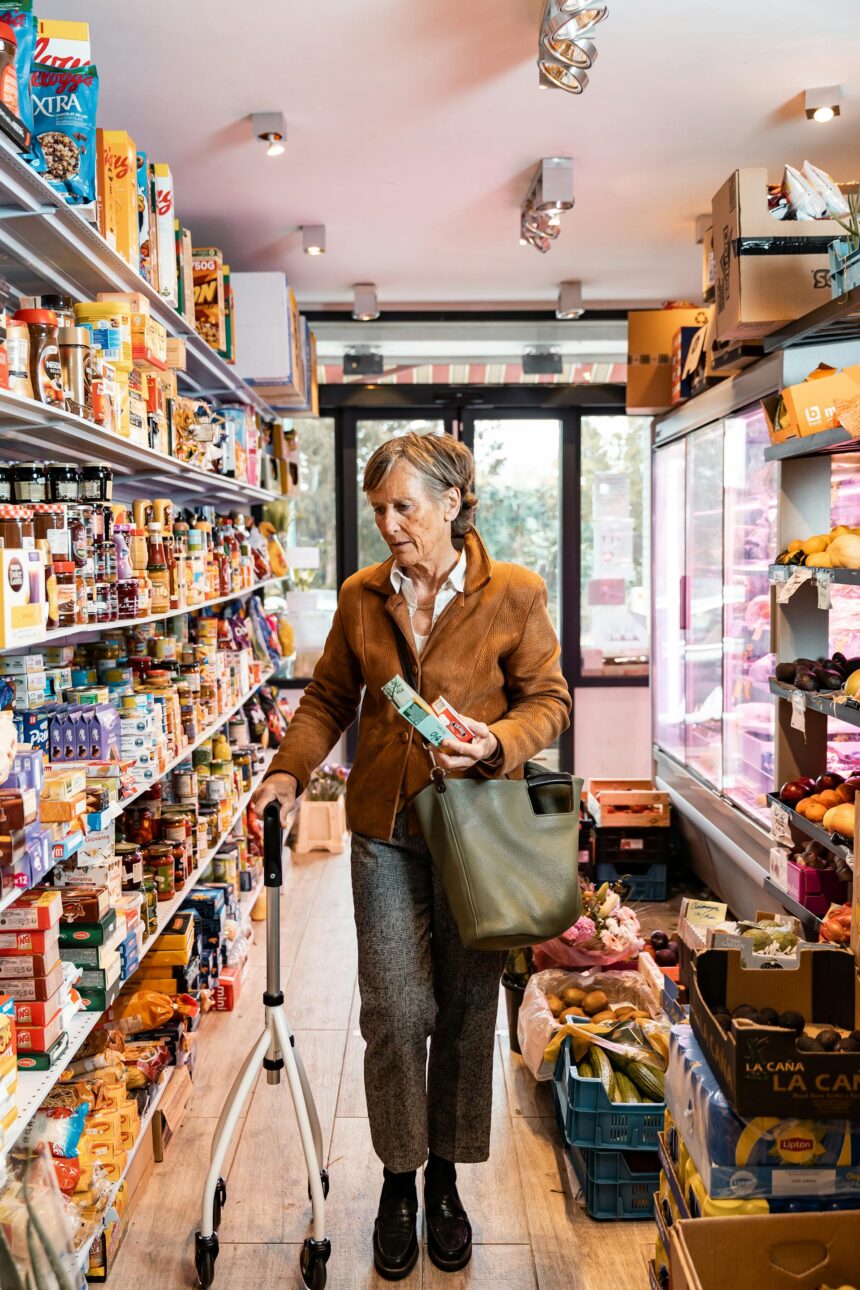
There was a time when your grandmother could walk into any grocery store in America and come home with things you simply cannot find today. Not specialty items. Not exotic imports. Ordinary, everyday things that sat on the shelves for decades before vanishing so quietly that most people never even registered the moment they were gone.
This isn’t a story about progress replacing the old with the better. Sometimes what replaced these items was cheaper, not better. Sometimes a regulation arrived and wiped out an entire product category overnight. Sometimes the company just stopped making it, and nobody complained loudly enough to bring it back. That’s the part worth paying attention to.
Here are eleven things your grandparents routinely bought at the grocery store that have quietly disappeared from every shelf.
1. Raw Milk in Standard Grocery Stores

Your great-grandparents bought milk straight from a local dairy, unpasteurized and unhomogenized, with the cream floating at the top. For much of the twentieth century, raw milk was still available in many grocery stores across the country. Today, federal law prohibits the interstate sale of raw milk, and many states ban it from retail grocery shelves entirely. You can still find it at farm stands and through specialty co-ops in some states, but walk into a standard grocery store looking for it, a nd you’ll leave empty-handed.
2. Lard in the Baking Aisle

Ask anyone who grew up in the 1940s or 1950s what made a pie crust flaky, and they’ll tell you without hesitation: lard. Not shortening. Lard. It sat in tubs on grocery shelves right next to the butter, and grandmothers across the country reached for it automatically. When vegetable shortening led by products like Crisco was aggressively marketed as the modern, cleaner alternative, lard began its long retreat from mainstream grocery shelves. Today, you can find it at some Hispanic grocery stores and specialty butchers, but the standard supermarket baking aisle has largely erased it.
3. Whole Unpitted Olives With the Pimento Stuffed by Hand
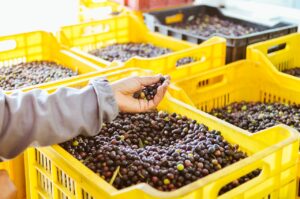
This one sounds almost too specific, but anyone who remembers olive trays at holiday gatherings knows exactly what these were. Glass jars of hand-stuffed olives, packed in brine, with a particular texture and salt level that modern machine-processed versions never quite replicated. As olive production industrialized, the hand-stuffed variety quietly disappeared from mass-market grocery chains. The jars still exist in name. What’s inside them is not the same thing.
4. Loose Bulk Crackers From a Barrel or Bin

Before individually sealed packaging became the norm, many grocery stores kept large wooden barrels or open bins of crackers near the cheese counter. You scooped what you needed. You paid by the pound. It was a different relationship with food, tactile, unhurried, based on buying what you’d actually use. Food as packaged goods became the retail norm,m and hygiene standards evolved through the twentieth century, and loose cracker barrels disappeared from all but the most old-fashioned country stores within a generation.
5. Canned Puddings With a Different Texture Entirely
There is a generation of Americans who remember a specific canned pudding, not the shelf-stable snack cups of today, but a thicker, denser product that came in larger tins and tasted genuinely different from anything you can buy now. As the snack food industry consolidated and reformulated products around longer shelf life and lower production costs, the original versions quietly exited. The brand names sometimes survived. The recipes didn’t.
The Aisle That Time Forgot

Walk through grocery store footage from the 1950sand 1960ss,s and you’ll notice something strange: the variety looks enormous, but the specific items are almost unrecognizable. Hundreds of products that once had dedicated shelf space, some of them category leaders in their day, are simply gone. Not recalled, not banned. Just discontinued, one by one, as tastes shifted or costs rose or a parent company decided the margin wasn’t worth the trouble.
Here’s the thing most people miss: the disappearance wasn’t dramatic. There was no announcement. Once we ek the product was there. The next time you went looking for it, it wasn’t. And eventually you stopped looking.
6. Beef Suet in the Meat Case
Suet, the hard fat around beef kidneys, was a grocery store staple for generations. Grandmothers used it in mincemeat, in Christmas puddings, in pie crusts. British-influenced American baking depended on it. As those recipes faded from mainstream use and younger shoppers didn’t know what suet was for, butchers stopped stocking it. You can sometimes special-order it from a good butcher, but finding it in a standard grocery meat case today requires a phone call and a small miracle.
7. Phosphate Sodas From the Grocery Shelf

Before the soda fountain disappeared from American pharmacies and lunch counters, phosphate sodas were a category unto themselves. Some grocery stores carried bottled versions of flavored phosphates, a slightly tangy, effervescent drink that was categorically different from the corn-syrup-heavy sodas that came to dominate the market. The category never survived as the beverage industry consolidated and bottled sodas became dominant in the postwar decades.
8. Bone-In Salt Pork
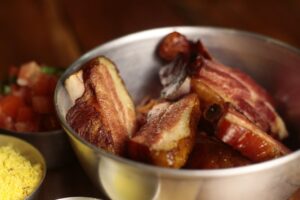
Salt pork, cured, salted pork belly or fatback, was a cooking essential for generations of American home cooks. It flavored beans. It seasoned greens. It was the fat base for countless Southern and New England dishes alike. It hasn’t entirely vanished, but finding bone-in salt pork in a standard grocery store is now genuinely difficult. Boneless salt pork can still be found in some grocery stores, particularly in the South and in stores serving communities with traditional pork-curing cuisines. The bone-in cut that older recipes specifically call for is largely a relic.
9. Raw Peanuts in the Shell, Sold by the Pound
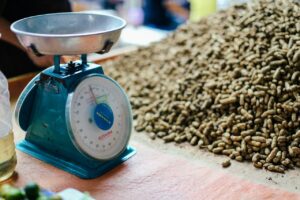
Not roasted. Not salted. Raw peanuts in the shell, sold loose from bins, were a standard grocery item through much of the twentieth century, particularly in the South and in urban neighborhoods with strong immigrant food traditions. People bought them to boil at home, to roast themselves, to make peanut butter the old way. As specialty and convenience products crowded out the raw ingredient, loose raw peanuts retreated to feed stores and specialty markets.
10. Canned Deviled Ham That Tasted Like the Original

Deviled ham spread in small cans was once a legitimate grocery staple, not a novelty. The original formulations, spicier, saltier, with a different fat ratio, were genuinely different products from the mild, shelf-stable versions that survived into the present day. The brand names persisted. The taste did not. This is a pattern you’ll notice across this list: the label stayed, the recipe changed, and most consumers never registered the substitution.
11. Penny Candy Sold at the Register by Weight

This one lands differently for people. Not because it was a culinary loss, but because of what it represented. Grocery store checkout counters used to feature small bins of penny candy, sold loose, chosen individually, weighed, and bagged by the cashier. It was a ritual. Children planned their selections on the walk to the store. The combination of food safety regulations, liability concerns, and the shift to pre-packaged candy displays ended the practice so gradually that most people can’t pinpoint the decade it disappeared. It just did.
What Disappears When the Products Do

The items on this list aren’t all equal. Some vanished because they genuinely needed to. Food safety standards exist for good reasons, and a few of the products above carried real risks that weren’t well understood at the time.
But others disappeared for reasons that had nothing to do with safety or quality. They disappeared because they were inconvenient to stock, or expensive to produce, or impossible to scale, or simply forgotten by a new generation of buyers who never knew to ask for them.
That last category is the one worth sitting with. When a product disappears because no one remembered to want it, something more than a grocery item is gone.
The recipes that depended on these ingredients became harder to make, then harder to find, then quietly stopped being passed down. The specific tastes that defined a generation’s food memory became impossible to recreate exactly. And the grocery store, which was once a place that reflected the actual cooking life of the community around it, became something else: a place that reflects what’s easiest to manufacture, ship, and sell.
Your grandparents didn’t shop in a golden age. They had their own frustrations, their own product failures, their own grocery store disappointments. But they also had access to a version of the American food supply that no longer exists, and that most people alive today never experienced at all.
Which item on this list did your family use most? And is there something they used to buy that didn’t make this list, something you’ve never been able to find again?
This article was researched, written, and edited by our human editorial team. AI tools were used in a limited research-assistant capacity. All claims were independently verified.