

The Egyptian government thought it was doing the responsible thing.
In January 1977, with the national budget stretched past breaking, officials in Cairo agreed to a deal with the International Monetary Fund. The terms required Egypt to cut subsidies on basic goods. Flour. Cooking oil. Sugar. The logic was straightforward: the subsidies were bleeding the treasury, and the country couldn’t keep printing money to cover them. Economists had been saying it for years. The math was simple.
The people in the streets did not care about the math.
Within hours of the announcement, crowds gathered in Cairo, Alexandria, and other major cities. By the end of the first day, what had started as street protests had turned into something closer to an insurrection. Bakeries were ransacked. Government buildings were attacked. Trains were stopped on their tracks.
The military had to be called in. By the time it was over, estimates suggest at least 70 to 80 people were killed though official and independent figures varied hundreds were injured, and the government had done something almost no government ever does willingly:
it reversed course completely., hundreds were injured, and the government had done something almost no government ever does willingly: it reversed course completely. The subsidies were restored within days, some accounts say within 48 hours of the worst violence..
Anwar Sadat called the rioters “thieves.” Then he gave them back their cheap bread.
The Subsidy Trap That No One Knew How to Escape
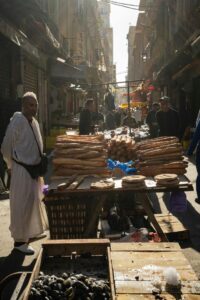
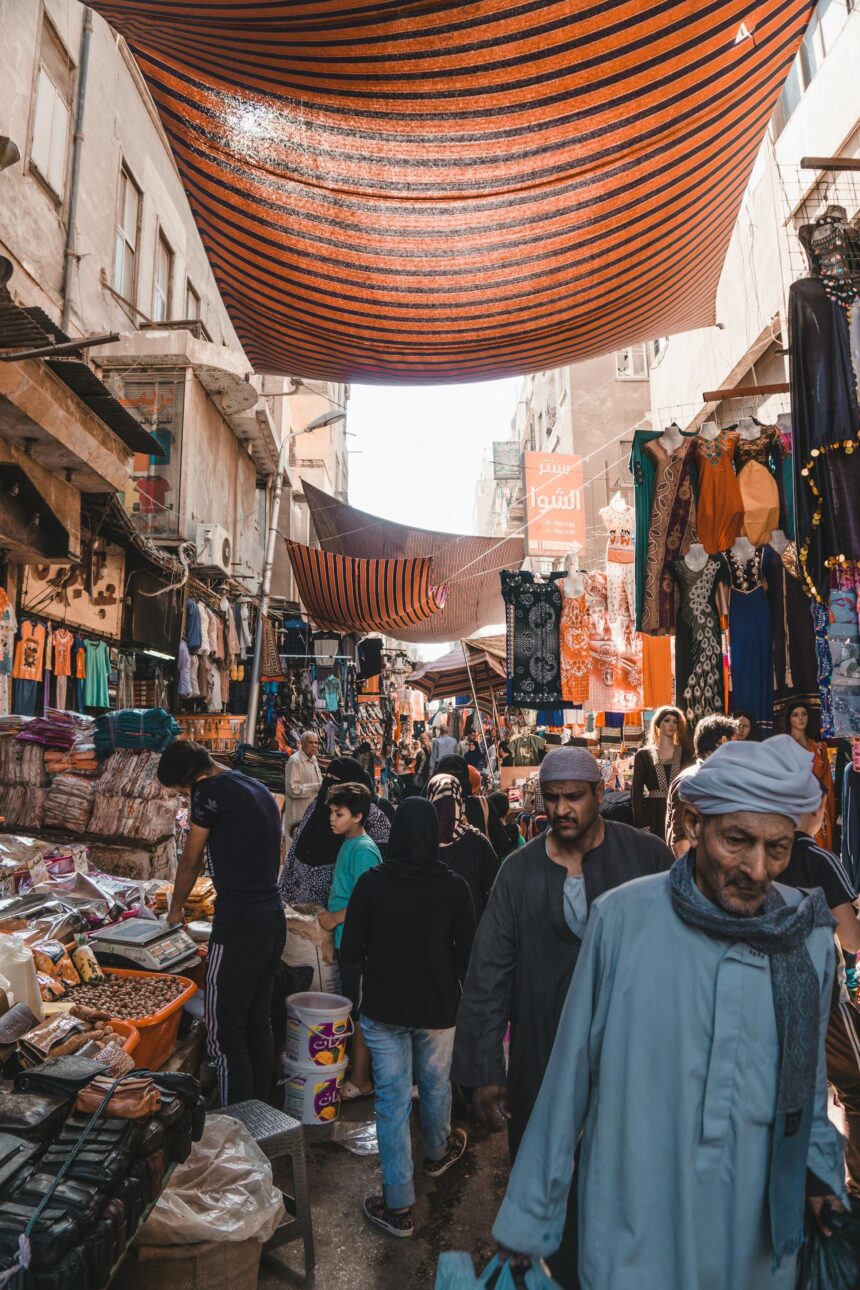
To understand why bread specifically had this kind of power in Egypt, you have to understand what bread means there. This wasn’t a side dish. Egyptians call their flatbread “aish,” which translates not as “bread” but as “life”. For the urban poor, and Egypt in the 1970s had millions of them, many of whom had migrated from the countryside into crowded city neighborhoods, a subsidized loaf of bread wasn’t a convenience. It was survival.
The subsidy system itself had been built over decades, piece by piece, by governments that understood this dependency perfectly well. Nasser’s era had expanded state control over the food supply as part of a broader socialist economic program.
The state would provide. That was the deal. Citizens accepted low wages, limited political freedoms, and a certain amount of official incompetence in exchange for the promise that the basics, bread, cooking oil, sugar, would always be affordable.
By the mid-1970s, that system was quietly crumbling. Egypt had fought multiple wars, carried significant debt, and faced an economy that couldn’t generate enough foreign currency to pay for the imported wheat its population depended on. The IMF’s conditions weren’t invented to punish ordinary Egyptians.
They reflected a real fiscal crisis. The subsidies cost the government a significant portion of its annual budget, and that percentage was growing every year.
And here’s the strange part: everyone in the government knew the subsidies were unsustainable. They had known for years. The problem was that knowing a thing is unsustainable and actually fixing it are two very different challenges when the people who depend on it are desperate.
What the IMF Got Wrong, and What Cairo Got Wrong
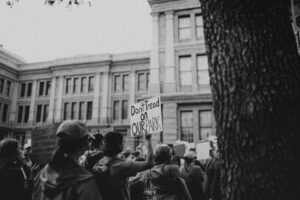
The standard economic argument for cutting subsidies isn’t crazy. When governments artificially hold down prices, they distort markets. Producers have less incentive to grow more grain if the price is fixed below cost. Smuggling increases, subsidized goods get sold across borders for profit.
The government ends up spending more and more to maintain a fiction of stability that benefits black-market traders as much as it benefits the poor. These are real problems, and Egypt had all of them.
But the economists who designed the austerity package appear to have badly misjudged the social contract they were asking Egypt to break. This wasn’t like raising the price of petrol in a country where most people had cars. Bread in Egypt was the last line. The price of bread told ordinary Egyptians whether the government was still on their side. When that price went up overnight, the answer felt obvious.
The riots of January 1977 became known in Egypt as “the bread intifada” or “the uprising of the thieves,” depending on who was telling the story. International observers at the time were shaken by how fast things collapsed. One day the government announced the subsidy cuts. Less than two days later, it was reversing them under military pressure.
Sadat survived. But his government’s relationship with economic reform was permanently altered.
The Lesson That Keeps Getting Ignored

Egypt is not the only country that has learned this lesson the hard way. Across the 20th century, governments from Latin America to sub-Saharan Africa to Southeast Asia discovered the same principle: the politics of food prices are unlike the politics of almost anything else. You can raise taxes on cigarettes.
You can cut subsidies on luxury goods. You can devalue the currency. But when the price of the basic food that poor people eat goes up overnight, the margin between a policy announcement and a riot is very thin.
What makes Egypt’s 1977 crisis worth studying, and what economics textbooks sometimes miss, is that the government didn’t fail because it was wrong about the economics. It failed because it was right about the economics and wrong about everything else. The math said cut the subsidies. The streets said that math wasn’t the point.
Egypt eventually did reform its subsidy system, but slowly, over decades, and never in one sudden move again. The IMF came back. So did the conversations about fiscal responsibility. But the government that remembered January 1977 understood something that pure budget analysis misses: an economy runs on more than numbers. It runs on trust. And trust, once broken over bread, is a very specific and very dangerous thing to lose.
There’s a version of this story that economists tell as a cautionary tale about populism getting in the way of sound policy. There’s another version that ordinary Egyptians tell about what happens when governments forget who they’re actually governing. Both versions are true. The bread was the same loaf either way.
The subsidy Egypt restored in 1977 to stop the riots is still, in modified form, part of the Egyptian budget today.
Some debts, it turns out, aren’t financial.
This article was researched, written, and edited by our human editorial team. AI tools were used in a limited research-assistant capacity. All claims were independently verified.