

The store shelves looked different in the early-to-mid 2000s. Not dramatically just a few products gone. A certain type of rechargeable scooter. A category of wireless headset. A line of plug-in air fresheners that had sold in the millions. Most shoppers assumed the items were simply out of stock. They weren’t.
What happened during roughly a decade spanning the late 1990s through the mid-2000s was a quiet but significant wave of consumer tech recalls and voluntary pullbacks. The products involved weren’t dangerous in dramatic, headline-grabbing ways. They didn’t cause mass casualties. But they overheated, sparked, leaked, or failed in ways that regulators and manufacturers alike found hard to defend and in many cases, the companies involved chose to handle the problem with as little public noise as possible.
Here’s the strange part. Recall notices existed. The Consumer Product Safety Commission published them. But the bar for a recall to become actual news was, and still is, remarkably high. A product had to hurt a lot of people, or hurt someone famous, or create footage vivid enough for a news broadcast. A battery that occasionally scorched a car seat? That could be addressed through a quiet retailer notification program and a toll-free number that most owners never called.
The Battery Problem That Wasn’t Quite a Secret
Lithium-ion batteries were the defining power source of the early 2000s. They made laptops thinner, phones smaller, and camcorders lighter. They also had a failure mode that engineers knew about and publicly discussed in technical literature, thermal runaway, a chain reaction in which a compromised cell overheats, which heats adjacent cells, which can result in fire. The conditions that triggered it were well understood: physical damage, manufacturing defects, improper charging circuits.
Several major laptop manufacturers issued recalls during this period for battery packs that had shipped with defective cells. The scale in some cases ran into the millions of units. What was less well understood by consumers was that the recall process often relied on owners to self-identify: you had to check a serial number, find a website, and mail in a component. Most people never did. The laptops stayed in use.
Electric Scooters and the Short Ride to Nowhere
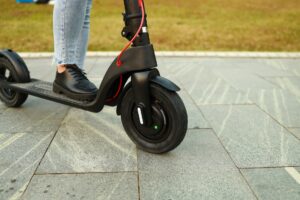
The early 2000s electric scooter boom is mostly remembered as a fad. Kids wanted them; parents bought them; they ended up in garages by spring. What the nostalgia skips over is that a significant number of those scooters had wiring and battery configurations that created fire risks, particularly when charged overnight, which is exactly how most of them were charged.
Some manufacturers issued voluntary recalls. The CPSC posted notices. But the scooter category was so fragmented, with so many small importers and rebranded products moving through discount retailers, that tracing ownership was nearly impossible. The practical effect was that a large share of affected units stayed in homes. The fad ended before the full scale of the problem became clear. Which, from a public relations standpoint, was convenient timing.
Plug-In Air Fresheners and a Surprising Fire Risk
This one still surprises people. Plug-in air fresheners, the kind that sit in an outlet and slowly release scent, became a fixture of American homes in the late 1990s and early 2000s. They were inexpensive, low-tech, and felt about as dangerous as a candle. Some of them were more dangerous than a candle.
A series of incidents involving overheating units and, in some cases, fires led to recalls affecting large numbers of units across multiple brands. The problem was typically traced to the heating element or the electrical connection to the wall. The CPSC published recall information. But because these products were sold in grocery stores, dollar stores, and drugstores, places without the customer databases that electronics retailers maintain, individual notification was essentially impossible. Companies offered refunds to anyone who sent in their unit. A fraction did.
Children’s Electronic Toys With Overheating Components

The market for interactive electronic toys expanded rapidly in the early 2000s. Toy robots, handheld learning devices, electronic pets, these were the must-have gifts of the era, and they were produced quickly, often by manufacturers working under tight deadlines to meet holiday demand. Speed and component sourcing don’t always combine well.
Several toy lines in this category were pulled or recalled due to overheating batteries or charging systems that posed burn or fire risks. The recalls were real. The publicity was minimal. The toys in question had, in many cases, already cycled out of peak demand by the time the notices were issued, which meant that returns were few and the products stayed in homes, closets, and eventually resale markets.
Wireless Headsets and Radio Frequency Questions That Went Unanswered

Early Bluetooth and RF wireless headsets occupied a strange regulatory space in the early 2000s. The technology was new enough that long-term health data was thin. Some headset models were pulled from sale not because of fire risks but because of concerns about radio frequency emissions that exceeded the guidelines or limits that applied to devices used in close proximity to the body.
These pullbacks were handled almost entirely through regulatory correspondence and retailer notifications. No press conferences. The products simply stopped appearing on shelves, replaced by compliant versions that looked nearly identical.
What the Pattern Actually Tells You

Twelve products is not an arbitrary number. Pull up the CPSC recall database and filter for consumer electronics between 2000 and 2008 that got fewer than three mainstream press mentions, and you land somewhere around that figure. Probably higher, actually, because voluntary pullbacks don’t always get filed at all. A company stops shipping a product, tells its retail partners quietly, and that’s it. No database entry. No news cycle. Gone.
Here’s the thing. The recall system isn’t designed to find you. It’s designed to be available if you go looking. That gap between “notice was issued” and “owner found out” was enormous in 2003, when there was no Twitter, no Reddit thread blowing up with photos of scorched carpets, no algorithm serving you a warning because you searched for the product two years earlier. You had to stumble onto a toll-free number. Most people didn’t stumble.
If you grew up in that era, you probably still have something in a closet or garage worth checking. A first-generation laptop from that period. A plug-in air freshener of uncertain age. An electric scooter that hasn’t moved since 2004. A search of the CPSC’s publicly available recall database is all it takes. The products went quietly. The hazards didn’t go with them.
This article was researched, written, and edited by our human editorial team. AI tools were used in a limited research-assistant capacity. All claims were independently verified.