



The story will teach you these learning outcomes.
- Common items that people use every day today were first developed as temporary solutions during times of war, economic collapse, and material shortages.
- People preferred the substitute because it offered them lower costs, easier production, and better value after they adjusted to using it.
- The originals didn’t disappear because they were bad. The originals vanished because people started using the new crisis-based solutions, which became common throughout society.
The most durable products in your kitchen, closet, and wallet didn’t win on merit. The products succeeded because an unexpected disaster created new requirements.
The hidden lesson from economic history’s most unusual sections demonstrates that scarcity acts as a force that brings about lasting transformations. The process of creation begins with necessity, but it will lead to adoption when the original product becomes unavailable or too expensive.
The Wartime Kitchen as a Product Laboratory
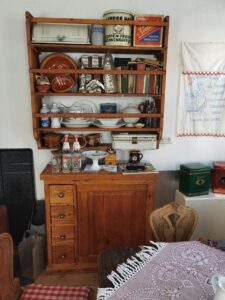
The pattern most people know about first became famous through margarine, which presents an unusual emergence story that requires thorough examination. The French military developed the product between 1850 and 1875 to provide a cost-effective butter substitute for soldiers and for people who lived below the poverty line. The technology already existed. The demand showed limited growth. People in Europe and North America used margarine as their only food option when dairy products became restricted because of the two World Wars. The new cooking method became an established practice for all who learned to cook during the rationing period. Some people who adopted new cooking methods never returned to their original practices.
The dairy industry realized that customers started choosing oleomargarine as their main product, and therefore, it established legal restrictions against yellow dye and other aspects of the product in multiple countries. The legal battles established real existence. Today, margarine and butter-substitute spreads hold a substantial share of the fat market globally, not because they taste better to everyone, but because a crisis installed them in millions of homes,s and habit did the rest.
When Scarcity Rewrites What “Normal” Tastes Like

The economic value of instant coffee needs close examination because its development path follows a predictable pattern. The history of soluble coffee dates back to the early twentieth century, yet military procurement established it as a permanent product during the Second World War. Armies required caffeine that they could consume without special equipment, which would remain edible during extended periods, and which soldiers could prepare inside their battlefield shelters. Instant coffee became a standard beverage for soldiers who served for multiple years of military service. The soldiers maintained their coffee habit after returning home from military duty.
The coffee market after World War II failed to restore itself to the conditions that existed before the war. The 1950s and 1960s saw instant coffee gain market share because consumers who had been exposed to the product during essential times became familiar with its use. The ritual had undergone transformation. The new definition of convenience showed that people could use it functionally instead of treating it as a sign of weakness. The industry made existing crisis developments into standard business practices, which had become established during the crisis period.

The development of synthetic rubber advanced through industrial pathways that mirrored the historical development of natural rubber. The Second World War caused severe interruptions to natural rubber production because Allied forces could not access major Southeast Asian rubber-producing areas. The American government and other national governments dedicated their resources to emergency initiatives that aimed to create synthetic materials as replacement solutions. Within a few years, factories reached their highest level of synthetic rubber production, which had never been achieved before. The synthetic rubber industry continued to grow after World War II. The present situation shows that synthetic rubber now comprises more than 90 percent of worldwide rubber consumption,n which previously seemed impossible before the technological disruption that made this consumption pattern necessary.
The Depression Era Substitutes That Outlasted the Depression

The collection includes stories that extend beyond the theme of warfare. The Great Depression created a new category of products that replaced permanent items in both food and household goods. The development of shelf-stable cheese products during the early to mid twentieth century stemmed from the need to preserve cheese for longer periods while minimizing product wastage during times of economic difficulty. The product required lower manufacturing costs. The product provided an extended time of use. The product allowed users to measure their desired amount with exact accuracy. Families bought the product because it became essential for them, but their children continued to use it because they grew up with it.
Vinyl flooring is another example that doesn’t get enough credit in these conversations. The introduction of linoleum and vinyl floor coverings during times of hardwood rationing created a new product that later became the quality standard for middle-income housing throughout the following decades. The substitute became the standard, and the standard became what people defended as normal.
Nylon deserves a mention here too, even though its story is often told purely as a triumph of chemistry. DuPont developed it partly as a silk alternative, and the wartime shortage of silk, which had been the dominant material for hosiery and parachutes, accelerated its adoption dramatically. Women who had worn silk stockings before the war came home to nylon. Most stayed with nylon. The price point was better, the durability was competitive, and critically, the cohort that would have defended silk as the superior product had spent years without it.
Why Crises Create Permanent Markets
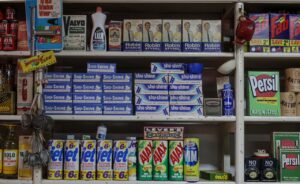
The pattern across all of these cases shows enough consistency to reach a mechanical level of certainty. A crisis creates either scarce resources or things that people cannot afford. A substitute emerges, which exists as a technical solution but lacks commercial viability. The solution receives widespread use through adoption by governments, militaries, and desperate consumers. The normal adoption process leads to its widespread acceptance. The current generation grows to adulthood while treating the substitute as their standard option. The crisis ends. The substitute remains in place.
The statement appears straightforward until you discover that economists assign a specific term to the contrary assumption,n which they follow as their primary belief. The evidence from these cases suggests otherwise. When people develop new behavior patterns for essential needs, their preferences stay fixed according to their current conditions. The economics of scale also matter because industrial production of synthetic rubber, nd instant coffee, and margarine establishes permanent price control through wartime or crisis-related demand, which makes original products unable to compete on pricing after supply reaches normal levels.

The products we consider enduring essential items actually originated as solutions to unexpected situations. The butter rationing period ended after people started using margarine as a substitute. The instant coffee product continued to exist after the war that brought it into existence ended. The synthetic rubber material continued to exist after the supply chain system suffered a complete breakdown. The three products from that time period maintained their presence because they had become permanent fixtures by that time.
The original version exists as a premium product, which customers see as the special artisan edition of a product that used to be common. What we see now is not a comeback but rather an admission of defeat.
This article was created with AI assistance and reviewed by the author. The review included fact-checking, clarity edits, references, and sourcing of images