
For more than a hundred years, archaeologists combed the hills and valleys around Egypt’s Valley of the Kings, looking for one particular missing ruler. Thutmose II, the husband and half-brother of the famous Hatshepsut, had ruled briefly during the golden days of the 18th Dynasty. His tomb was mentioned in ancient records, but it stayed stubbornly lost. Generations of experts assumed it had probably been destroyed or was hidden so well it would never turn up.
Then, in early 2025, a joint British-Egyptian team working in an overlooked part of the Theban hills made an announcement that felt almost too straightforward to be true. They had found it, not in some dramatic, sealed chamber deep underground, but in a place that had been walked past and partially explored before. The tomb had been there the whole time, robbed in antiquity, battered by time, but still holding enough clues to finally confirm whose it was.
A King Who Barely Got to Be King
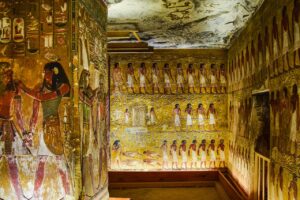
Thutmose II wasn’t one of the superstar pharaohs. He reigned for only a few years, from around 1493 to 1479 BC before dying young. His stepmother-turned-wife, Hatshepsut,t then took the throne and ruled as pharaoh herself, building one of the most spectacular temples in Egypt. Because his reign was short and later overshadowed, his burial place never got the same attention as the grander tombs nearby.
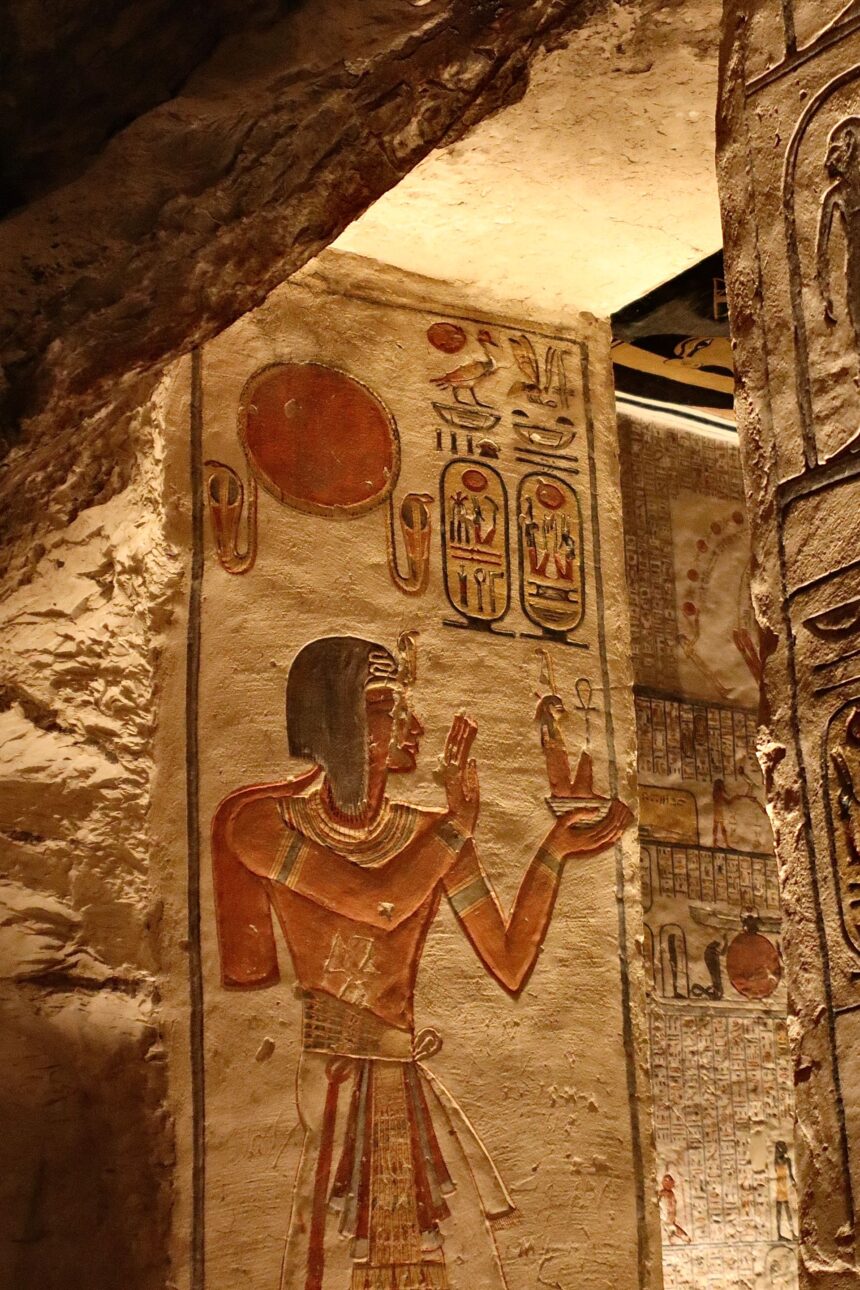
When the new tomb was properly examined, it showed the familiar signs of royal 18th Dynasty construction: careful cut into the rock, traces of painted plaster, and fragments that matched the period. Most importantly, the location and architectural details lined up with what sparse ancient texts said about where he should have been laid to rest.
The tomb had been thoroughly looted long ago; no glittering treasures waited inside, but its very existence filled a noticeable blank in the royal family tree.
Why It Stayed Hidden So Long
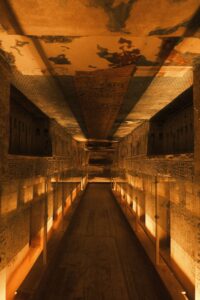
Here’s the part that makes you shake your head. The area wasn’t untouched wilderness. Earlier excavators had worked nearby. Some had even noted the entrance or debris without realizing its importance. In the rush to find more spectacular, unrobbed tombs, this one got filed away as “probably another minor burial” and forgotten.
Archaeology in Egypt is like that sometimes. The desert is full of holes and half-explored shafts. When you’re hunting for the next Tutankhamun, it’s easy to walk past something that “only” belonged to a short-reigning king. It took modern technology, old better mapping, careful re-examination of old notes, and persistent digging to connect the dots that had been sitting there for decades.
What It Actually Changes
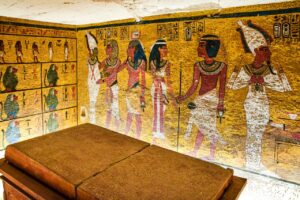
Finding Thutmose II’s tomb doesn’t rewrite the big sweeping narrative of ancient Egypt, but it does something quieter and maybe more human. It slots one more piece into the family puzzle of the early 18th Dynasty. It gives us a clearer picture of how power passed between Thutmose II, Hatshepsut, and the next generation. And it reminds us that even in one of the most studied places on Earth, the ground can still surprise you.
There’s something oddly comforting in that. The ancients built these tombs intending them to last forever, yet time, robbers, and our own assumptions buried them again in different ways. Now, thanks to stubborn researchers who refused to accept the blanks on the map, another lost king has come back into the light.
Excavations continue, and there’s talk of more work to stabilize the site and recover whatever fragments remain. For anyone who loves these stories, it’s another gentle nudge from history: the past isn’t done talking. Sometimes it just waits patiently for us to finally look in the right place.