


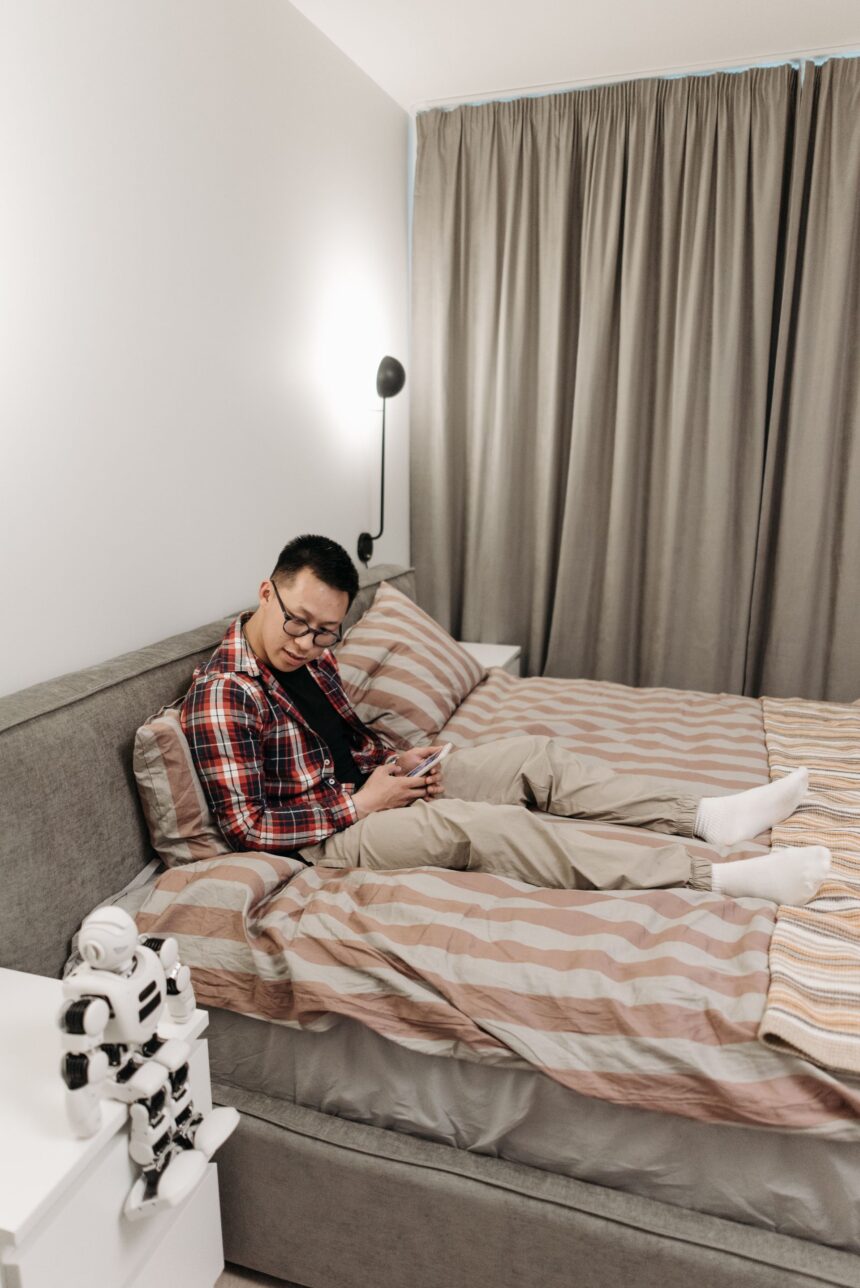
In late March 2026, Amazon confirmed it had acquired Fauna Robotics, a two-year-old startup whose flagship product is a humanoid robot named Sprout. The announcement came five days after Amazon closed a separate deal for Rivr, a Swiss startup that makes a stair-climbing parcel delivery robot. Two acquisitions. One week. One very clear picture, if you know where to look.
Amazon has been trying to get robots into homes for years. The iRobot deal announced in 2022, abandoned in early 2024 after the European Commission opened a formal investigation, would have given Amazon the Roomba and, more importantly, the floor maps of tens of millions of living rooms. That deal died. But the goal behind it didn’t.
The Robot That Couldn’t Get Through the Door
Roomba was a floor-mapping vacuum cleaner. What Amazon actually wanted was the data: room dimensions, furniture layouts, the spatial geometry of private homes. Regulators saw it that way, too, which is why they killed the deal. Amazon walked away with nothing, no robot, no maps, no foothold inside the front door.
And here’s the thing: the strategy didn’t change. The acquisition targets did.
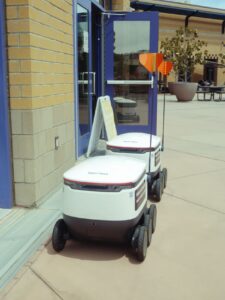
Rivr’s robot is built for the last fifteen feet of delivery, the stretch from the sidewalk to the porch that still costs Amazon real money in driver time and failed-delivery attempts. The machine can carry a substantial parcel load and move at speeds up to several miles per hour.
It climbs stairs. That last detail matters more than it sounds, because a significant portion of American residential addresses aren’t ground-floor accessible from the street. A wheeled robot that can’t handle a front stoop is a robot that can’t finish the job.
Rivr solves the doorstep problem. Sprout, if Amazon’s plans hold, solves what comes next.
A Humanoid Built in Under Two Years

Fauna Robotics was founded in the mid-2020s by engineers with backgrounds at major technology companies. The company went from incorporation to acquisition in under two years. That’s not a normal timeline for a hardware startup. Hardware is slow: supply chains, tooling, safety certifications.
Fauna compressed that window significantly, which suggests either exceptional execution or a product that was always intended for sale rather than independence. Possibly both.
Sprout is a compact humanoid robot. Priced at an enterprise-level cost per unit, it was not designed for the mass consumer market. Earlyy customers included at least one major entertainment or hospitality operator, which implies the initial use case was commercial hospitality or entertainment environments, not warehouses.
That’s a meaningful distinction. Most humanoid robots entering the market right now are being sold to manufacturers for assembly-line work. Sprout’s profile points somewhere else: indoor environments with people in them, spaces where a small, nonthreatening form factor matters.
Amazon’s home ecosystem already includes Alexa, Ring cameras, and smart locks. Add a mobile humanoid platform, and the picture shifts from smart-home assistant to something with actual physical presence. Whether that’s useful or unsettling probably depends on who you ask. But the strategic logic is hard to argue with.
What the Market Numbers Actually Say
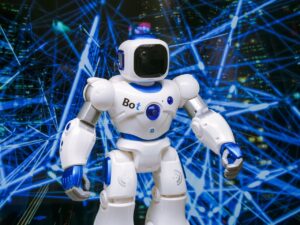
Goldman Sachs projects the humanoid robotics market could reach tens of billions of dollars by the mid-2030s. Morgan Stanley goes further, estimating the sector could reach a multi-trillion-dollar scale by mid-century.
Those numbers are far enough out that they invite skepticism; forecasts at thirty-year horizons tend to tell you more about the forecaster’s enthusiasm than about the future. But the directional signal is consistent across analysts: humanoid robotics is not a curiosity anymore. It’s a capital-allocation decision.
Amazon had agreed to acquire iRobot for approximately $1.7 billion before abandoning the deal in early 2024. The company has not disclosed the purchase prices for Rivr or Fauna. But the speed of the deals and the specificity of what each company does suggest Amazon had both targets mapped well before the announcements.
That’s how Amazon usually works. It watches a category for years, builds internal capability, and acquires when the external option is faster than organic development. It did this with Zappos, with Whole Foods, with MGM. The robotics play is following the same arc. Slower than it wanted, thanks to the iRobot block. But the same arc.
The Quiet Pivot Nobody Announced

There was no press conference. No product launch. Just two regulatory filings five days apart, and a set of capabilities that suddenly fit together: a robot that handles the final steps of outdoor delivery, and a humanoid that can operate indoors around people.
Sprout at $50,000 per unit will not show up on anyone’s doorstep as a consumer product anytime soon. But prices in robotics follow the same compression curve that hit flat-screen TVs and solar panels. The question isn’t whether home robots become affordable. The question is who controls the platform when they do.
Amazon tried to answer that question in 2022 with a vacuum cleaner. The answer that is building now is considerably more ambitious.
This article was researched, written, and edited by our human editorial team. AI tools were used in a limited research-assistant capacity. All claims were independently verified.
Source:
Amazon Plans to Replace More Than Half a Million Jobs With Robots