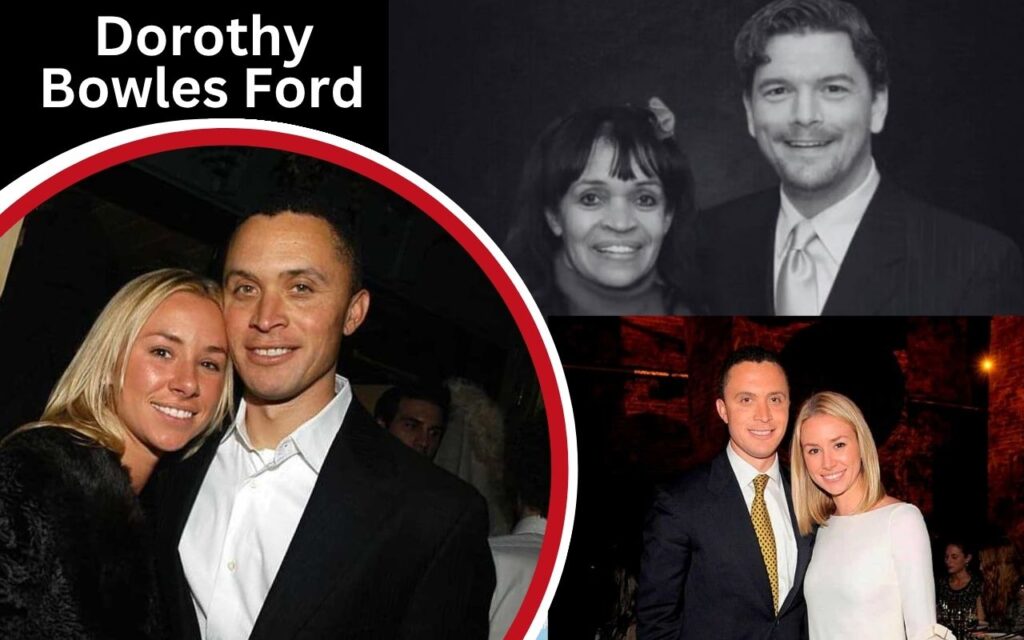

Dorothy Bowles Ford is widely recognized as the matriarch of one of America’s most notable political families. She is best known as the former wife of Congressman Harold Eugene Ford Sr. and the mother of Congressman Harold Ford Jr. While she never held public office herself, her influence on her family and community has been profound. Dorothy’s life represents a story of quiet determination, family commitment, professional achievement, and civic involvement. Through her personal and professional efforts, she helped shape a legacy that spans generations and continues to impact American politics and society.
Early Life and Background
Dorothy Bowles Ford was born around 1949 in Memphis, Tennessee, a city rich in cultural heritage and at the center of civil rights movements during her formative years. Growing up in this environment, Dorothy developed a strong sense of community responsibility and resilience. While public records provide limited information about her early life, it is clear that her upbringing instilled values of hard work, family cohesion, and civic engagement. These values would define her role in her family and later influence her children’s paths into public life.
Dorothy’s early life coincided with significant social changes in the United States. Living through the civil rights era in Memphis exposed her to social and political movements that emphasized equality, justice, and active participation in society. These experiences likely shaped her understanding of leadership and the importance of contributing to the welfare of her community, even outside the public eye.
Marriage to Harold E. Ford Sr.
A significant turning point in Dorothy’s life was her marriage to Harold Eugene Ford Sr., a rising political figure in Memphis. The couple married in February 1969, marking the beginning of a partnership that would intertwine family life with public service. Harold Ford Sr. would go on to make history as one of the first African-American representatives from Tennessee to serve in the U.S. House of Representatives, representing the 9th Congressional District from 1975 to 1997.
Dorothy played a vital supporting role during her husband’s political career. While she did not seek the spotlight, her work behind the scenes was critical. She assisted with campaign events, voter outreach, and community engagement, ensuring that the family maintained a strong connection with their constituents. Dorothy’s ability to manage family responsibilities alongside public service made her an essential pillar in the Ford family’s political and social success.
Professional Career
Dorothy Bowles Ford developed a professional identity beyond her role as a political spouse. She worked at the Potomac Electric Power Company (PEPCO) in Washington, D.C., where she served in administrative and regulatory capacities. In this role, Dorothy coordinated consumer and regulatory activities, interfacing with both the public and corporate operations. Her work required a blend of technical knowledge, organizational skills, and a commitment to service, demonstrating her professional capability and dedication to community welfare.
In addition to her corporate work, Dorothy contributed to public service initiatives, including programs aimed at children’s welfare and community nutrition. Her involvement in advocacy, whether through official roles or community efforts, reflected her commitment to improving the lives of families and children in her community. These contributions highlighted a form of civic engagement that complemented her family’s political influence while maintaining her own professional and personal identity.
Motherhood and Family Life
Dorothy Bowles Ford and Harold Ford Sr. had three sons, each of whom pursued different paths but shared the foundation of values instilled by their mother. Her parenting was marked by guidance, discipline, and a focus on service, creating an environment that encouraged her children to pursue leadership and community engagement.
Her eldest son, Harold Ford Jr., followed directly in his father’s political footsteps, serving in the U.S. House of Representatives from 1997 to 2007. Dorothy’s guidance played a significant role in shaping Harold Jr.’s character, integrity, and commitment to public service. Her influence extended beyond politics, as she emphasized the importance of education, ethical conduct, and community responsibility.
The middle son, John Newton “Jake” Ford, also pursued public engagement, running as an independent candidate for Tennessee’s 9th Congressional District in 2006. The youngest son, Sir Isaac Ford, engaged in local leadership and business, including a campaign for Shelby County Mayor. Through all their pursuits, Dorothy’s influence remained a central source of support, encouragement, and grounding for her family.
Life Beyond Politics
After a 30-year marriage, Dorothy Bowles Ford and Harold Ford Sr. divorced in 1999. The separation was amicable, and both continued to co-parent their children effectively. Following the divorce, Dorothy chose to live a more private life, focusing on family and community involvement rather than public appearances.
Her decision to maintain privacy underscores an important aspect of her life philosophy: meaningful influence does not require public recognition. Dorothy continued to contribute to her community through volunteer work, advocacy, and her professional roles, demonstrating a commitment to service that was consistent yet unobtrusive.
Legacy and Influence
Dorothy Bowles Ford’s legacy is multifaceted. While she may not be widely known to the general public, her contributions have shaped political, social, and familial landscapes in substantial ways.
Her most enduring impact lies in her family. By providing a strong foundation of values, guidance, and support, Dorothy enabled her children to navigate complex public roles and leadership positions successfully. This influence extends beyond politics, touching business, media, and local governance, illustrating the broad reach of her legacy.
Dorothy’s commitment to community service and professional excellence also defines her legacy. Her work in corporate, civic, and volunteer capacities reflects a consistent focus on improving the lives of others. Additionally, her life serves as an example of leadership, resilience, and the quiet power of influence exercised through integrity and dedication.
Read More: Sokratis Kominakis: The Greek Businessman Behind Nottingham Forest’s Strategic Rise
Conclusion
Dorothy Bowles Ford represents a remarkable example of leadership through service, family devotion, and community engagement. Her life demonstrates that impactful influence does not require public office or constant recognition but can emerge through consistent dedication, moral guidance, and meaningful contributions. As a mother, professional, and community member, Dorothy Bowles Ford has left an indelible mark on her family, community, and the broader landscape of American civic life. Her story is a testament to quiet strength, lasting values, and the profound impact one individual can have on generations to come.