
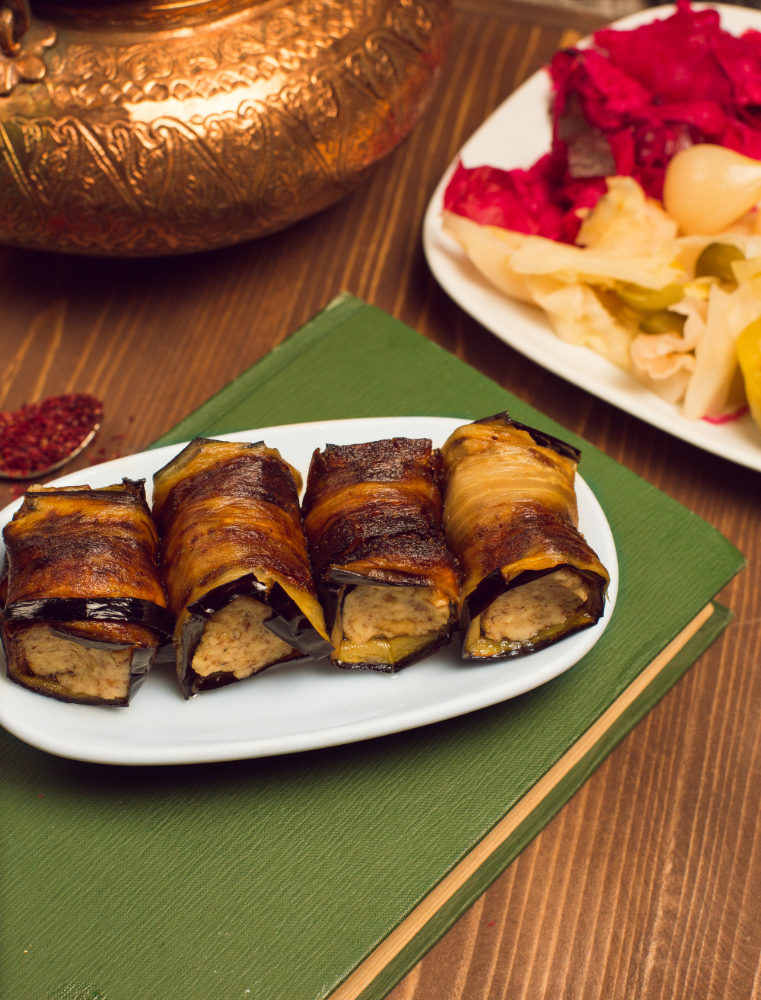
Few dishes represent Latin American culinary heritage as beautifully as tamales de masa. This beloved delicacy, wrapped neatly in corn husks and filled with savory or sweet ingredients, has been enjoyed for centuries across Mexico, Central America, and beyond. Whether you’re celebrating a family gathering, honoring the holidays, or simply craving comfort food, tamales are a dish that brings warmth, tradition, and joy to the table.
In this post, we’ll dive deep into what tamales de masa are, their cultural significance, the art of preparing them, and some delicious variations that showcase regional flavors. By the end, you’ll understand why tamales aren’t just food—they’re a celebration of history, family, and love.
What Are Tamales de Masa?
At their core, tamales de masa are a traditional Mesoamerican dish made from masa—a dough created from ground nixtamalized corn (corn that’s been treated with lime to make it easier to digest and more nutritious). The masa is spread on a corn husk or banana leaf, filled with various ingredients, then folded and steamed until soft and flavorful.
The word tamal comes from the Nahuatl word tamalli, meaning “wrapped.” This perfectly describes the essence of the dish: a flavorful package of masa and fillings, lovingly wrapped and cooked to perfection.
Masa is the foundation of every tamal. It’s what gives the dish its texture and earthy flavor. The dough is typically made using masa harina (corn flour), lard or vegetable shortening, broth, and seasonings. The result is a rich, tender, and slightly sweet dough that pairs beautifully with the fillings inside.
A Glimpse Into the History of Tamales
The history of tamales de masa stretches back over 5,000 years, originating in ancient Mesoamerican civilizations like the Aztecs, Mayans, and Olmecs. Tamales were practical for warriors and travelers—portable, nutritious, and easy to prepare in large quantities. They were also central to religious and ceremonial events, often made as offerings to the gods.
As the dish spread throughout Latin America, each region infused it with local flavors, ingredients, and traditions. Today, tamales are found everywhere from Mexico and Guatemala to Peru and Colombia, each culture giving them its own twist. In Mexico alone, there are hundreds of regional varieties—from tamales oaxaqueños wrapped in banana leaves to tamales de elote made with fresh sweet corn.
Ingredients That Make Tamales de Masa Special
To make perfect tamales de masa, every ingredient matters. While the fillings can vary endlessly, the base remains constant: the masa. Let’s break down the essentials:
1. Masa (Corn Dough)
- Masa Harina: The main ingredient, made from dried corn treated with lime. Brands like Maseca are commonly used.
- Fat: Traditionally, pork lard is used for a rich, authentic flavor. However, vegetable shortening or butter can be used for a vegetarian version.
- Liquid: Usually chicken broth, vegetable broth, or water to create a smooth, spreadable dough.
- Seasonings: Salt, baking powder, and sometimes a bit of chili powder or cumin to enhance flavor.
2. Fillings
The beauty of tamales lies in their versatility. Some popular fillings include:
- Savory: Shredded pork in red chile sauce, chicken with green salsa, beef with mole, or cheese with roasted peppers.
- Sweet: Raisins, pineapple, cinnamon, and sugar mixed into the masa for dessert tamales.
3. Wrapping
Traditionally, tamales are wrapped in corn husks (hojas de maíz) soaked in warm water to make them pliable. In southern regions, banana leaves are more common, adding a subtle earthy aroma during steaming.
Step-by-Step: How to Make Tamales de Masa
Making tamales is a labor of love—it takes time and teamwork. In many households, families gather for tamaladas (tamale-making parties), especially during the holidays. Here’s a general step-by-step guide:
Step 1: Prepare the Corn Husks
- Soak the husks in hot water for 30 minutes to soften them.
- Drain and pat dry before using.
Step 2: Make the Masa
- In a large bowl, beat lard or shortening until fluffy.
- Add masa harina, baking powder, and salt.
- Gradually mix in warm broth until the dough has a light, spreadable texture.
- To test, drop a small ball of dough into cold water—if it floats, it’s ready.
Step 3: Prepare the Filling
- Cook your chosen filling—shredded pork in red chile sauce, chicken with tomatillo salsa, or even sweetened masa with raisins.
- Let the filling cool before assembling the tamales.
Step 4: Assemble the Tamales
- Spread a thin layer of masa onto the center of a corn husk.
- Add a spoonful of filling in the middle.
- Fold the sides of the husk toward the center, then fold the bottom up to seal.
- Tie with a thin strip of husk if desired.
Step 5: Steam the Tamales
- Arrange tamales upright in a steamer pot with the open ends facing up.
- Steam for about 1 to 1.5 hours, checking occasionally to ensure there’s enough water.
- The tamales are done when the masa pulls away cleanly from the husk.
Step 6: Let Them Rest
- Allow tamales to rest for 10–15 minutes before serving. This helps the masa firm up and makes them easier to unwrap.
Serving and Enjoying Tamales de Masa
Tamales de masa are best enjoyed fresh and warm, straight from the steamer. They can be served alone or paired with:
- Salsa verde or roja for extra spice.
- Crema mexicana for creaminess.
- Refried beans and rice for a complete meal.
- Champurrado (a warm chocolate-corn drink) or atole as a comforting beverage pairing.
Whether for breakfast, lunch, or dinner, tamales are a treat that satisfies every craving.
Regional and Flavor Variations
No two tamales are alike. Across Mexico and Latin America, you’ll find incredible regional adaptations of tamales de masa, such as:
- Tamales Oaxaqueños: Wrapped in banana leaves with mole sauce and chicken or pork.
- Tamales de Rajas con Queso: Filled with strips of roasted poblano peppers and cheese.
- Tamales Dulces: Sweet masa colored pink and flavored with cinnamon and raisins.
- Tamales de Elote: Made with fresh corn kernels and a naturally sweet dough.
- Guatemalan Tamales Colorados: Larger, filled with meat and a tomato-based sauce, wrapped in banana leaves.
Each type tells a story of local ingredients, family recipes, and culinary creativity.
Cultural Significance of Tamales
Tamales are much more than food—they are a symbol of unity, tradition, and celebration. Families often prepare them during holidays like Christmas, Día de los Muertos, and Las Posadas. In many Latin households, the making of tamales is a communal event where everyone—from grandparents to children—plays a role.
In Mexico, tamales are also central to Día de la Candelaria (Candlemas Day) on February 2nd. Whoever finds the baby figurine in the Rosca de Reyes cake during Epiphany must host the tamale feast. This custom beautifully blends faith, friendship, and culinary heritage.
Tips for Perfect Tamales Every Time
- Use high-quality masa harina: It’s the foundation of your tamales’ texture and flavor.
- Don’t overfill: Too much filling can cause tamales to burst during steaming.
- Keep the steam consistent: Check water levels regularly and refill as needed.
- Rest after cooking: Letting them sit for a few minutes after steaming enhances flavor and firmness.
- Freeze extras: Tamales freeze well and can be reheated by steaming or microwaving for a quick homemade meal.
Conclusion: The Heart of Tamales de Masa
Tamales de masa are a masterpiece of flavor, culture, and craftsmanship. Every bite carries generations of history—from ancient traditions to modern family gatherings. Whether you enjoy them spicy or sweet, wrapped in corn husks or banana leaves, tamales remain one of the most cherished dishes in Latin cuisine.
