
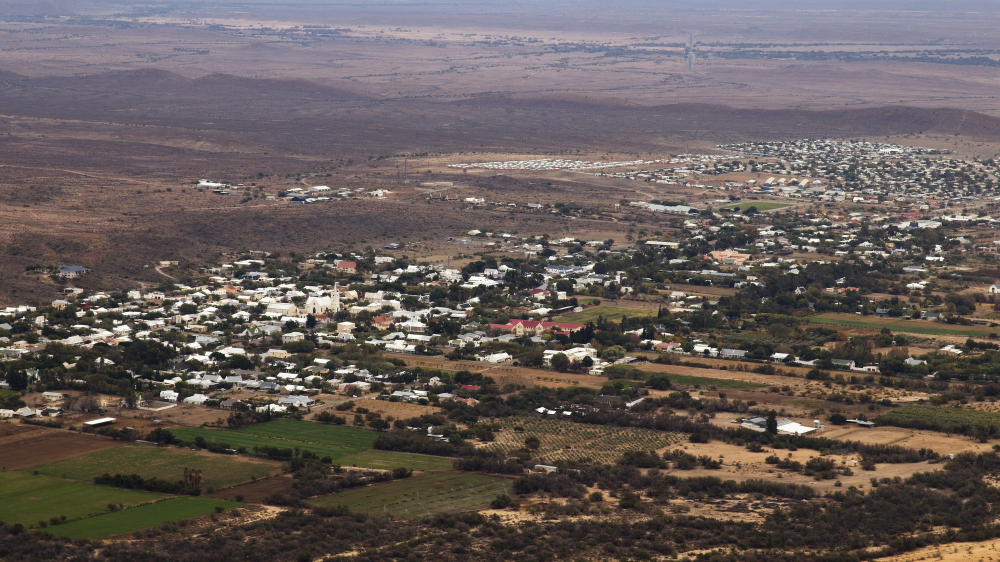
The province of KwaZulu-Natal, often called KZN, stands as one of South Africa’s most fascinating and diverse regions. From the warm waters of the Indian Ocean and the soaring peaks of the Drakensberg Mountains to vibrant Zulu culture and modern cityscapes, KwaZulu-Natal offers a unique blend of natural beauty, heritage, and opportunity. Whether you’re a traveler, investor, or history enthusiast, understanding this province provides a glimpse into the beating heart of South Africa.
A Brief Overview of KwaZulu-Natal
The province of KwaZulu-Natal lies along South Africa’s eastern coastline, bordered by the Indian Ocean, Mozambique, and the neighboring provinces of Eastern Cape, Free State, and Mpumalanga. Its name is derived from two significant parts: “KwaZulu”, meaning “Place of the Zulu,” and “Natal”, the name given by Portuguese explorers in 1497.
KwaZulu-Natal was formed in 1994 when the Zulu homeland and the former Natal Province merged. This unification created a province rich in cultural fusion, economic growth, and tourism potential.
Geography and Climate
The province of KwaZulu-Natal is known for its incredible geographical variety. The coastline stretches for over 600 kilometers, featuring golden beaches, coral reefs, and bustling harbor cities like Durban. The interior landscape transforms into fertile valleys, dense forests, and the majestic Drakensberg Mountains, which are part of a UNESCO World Heritage Site.
The region enjoys a subtropical climate, with hot, humid summers and mild winters — making it an all-year-round destination. The coastal areas are ideal for beach lovers and water sports enthusiasts, while the inland mountains attract hikers, adventure travelers, and nature photographers.
Durban: The Beating Heart of KwaZulu-Natal
At the center of KwaZulu-Natal’s modern identity stands Durban, South Africa’s third-largest city and a vital economic hub. Durban is famed for its world-class port, vibrant nightlife, and cultural diversity. It’s also home to the largest Indian population outside of India, giving rise to a rich culinary heritage — especially the city’s signature dish, bunny chow.
Durban’s Golden Mile, a stretch of beachfront promenade, attracts both locals and tourists for swimming, surfing, and sunbathing. The Moses Mabhida Stadium, a modern architectural landmark, offers panoramic views of the city and coastline. Meanwhile, the bustling Victoria Street Market reflects the province’s multicultural essence, with stalls selling spices, Zulu crafts, and Indian delicacies.
Pietermaritzburg: The Historical Capital
The provincial capital of KwaZulu-Natal, Pietermaritzburg, is a city steeped in history and colonial architecture. Established in 1838 by Voortrekkers, it played a significant role in the political and cultural evolution of South Africa. Its Victorian buildings, lush gardens, and museums tell the story of early settlers, British colonialism, and Zulu resistance.
Pietermaritzburg is also known as the gateway to the Midlands Meander, a scenic route filled with art galleries, farm stalls, and cozy guesthouses. It’s a destination that combines charm, craftsmanship, and countryside tranquility.
The Zulu Kingdom: Cultural Heritage and Pride
One cannot speak about the province of KwaZulu-Natal without celebrating its Zulu heritage. The Zulu people, one of Africa’s most renowned ethnic groups, have shaped the province’s identity through their traditions, language, and history.
The province was once the heart of the mighty Zulu Kingdom, ruled by the legendary King Shaka Zulu in the early 19th century. Shaka’s leadership transformed the Zulu into a powerful nation known for its military discipline and cultural sophistication. Today, his legacy remains alive through numerous monuments, festivals, and museums across the region.
Visitors can experience authentic Zulu culture through traditional homesteads, beadwork markets, and cultural villages that showcase ancient customs, dances, and rituals. Events like the Royal Reed Dance highlight the importance of preserving heritage while fostering unity and pride among younger generations.
Natural Wonders and Wildlife
The province of KwaZulu-Natal is blessed with some of the most beautiful natural attractions in South Africa. Nature reserves and game parks abound, offering wildlife experiences that rival the country’s most famous safaris.
Hluhluwe-iMfolozi Park
One of Africa’s oldest game reserves, Hluhluwe-iMfolozi Park is home to the Big Five — lion, leopard, elephant, rhino, and buffalo. It is especially renowned for its successful rhino conservation efforts. The park’s rolling hills, river valleys, and scenic viewpoints create a perfect safari environment.
iSimangaliso Wetland Park
A UNESCO World Heritage Site, iSimangaliso Wetland Park stretches along the northeast coast of KwaZulu-Natal. It features a mosaic of ecosystems — from coral reefs and dune forests to lakes and savannas. Visitors can spot hippos, crocodiles, flamingos, and even whales off the coast of St. Lucia.
The Drakensberg Mountains
For lovers of hiking, climbing, and breathtaking scenery, the Drakensberg Mountains are a must-visit. The region offers numerous trails, waterfalls, and ancient San rock art that date back thousands of years. It’s also a haven for birdwatchers and outdoor photographers.
Economic Importance of KwaZulu-Natal
Beyond its tourism appeal, KwaZulu-Natal plays a crucial role in South Africa’s economy. Durban’s Port of Durban is one of the busiest in Africa, facilitating international trade and supporting industries from manufacturing to shipping.
The province also has a strong agricultural base, producing sugarcane, timber, fruits, and dairy. Moreover, it has seen growing investment in sectors like logistics, renewable energy, and film production. The Durban International Film Festival, for example, has positioned the province as a creative hub in the African entertainment landscape.
Festivals and Events in KwaZulu-Natal
The province of KwaZulu-Natal celebrates its diversity through numerous festivals and cultural events. The Durban July Handicap, South Africa’s premier horse racing event, combines fashion, sport, and entertainment. The Umhlanga Reed Dance, held annually, is one of the most iconic traditional Zulu ceremonies.
In addition, the Splashy Fen Music Festival — South Africa’s longest-running music festival — attracts artists and fans from across the world. Whether it’s jazz, dance, or folklore, KwaZulu-Natal’s event calendar is filled with energy, rhythm, and color.
Cuisine and Local Delicacies
Food lovers will find the province of KwaZulu-Natal a paradise of flavors. Durban-style curries, samosas, and breyanis reflect Indian influence, while traditional Zulu dishes like phutu, amadumbe, and shisa nyama (barbecue) showcase the local palate.
Street food culture thrives in coastal towns, where visitors can sample bunny chow — a hollowed-out loaf filled with spicy curry — or enjoy fresh seafood caught daily from the Indian Ocean. The fusion of African, Indian, and colonial influences has created a culinary identity unlike anywhere else in South Africa.
Adventure and Outdoor Activities
KwaZulu-Natal offers endless opportunities for adventure seekers. Surfing in Durban, diving at Aliwal Shoal, white-water rafting on the Umkomaas River, or zip-lining through lush forests — the options are endless. The Drakensberg Mountains are perfect for paragliding and horseback riding, while game reserves cater to those seeking a safari thrill.
The province’s coastline also draws anglers, scuba divers, and kite surfers from around the world. With year-round sunshine and well-maintained tourist facilities, KwaZulu-Natal continues to grow as a global adventure tourism destination.
The Spirit of Ubuntu in KwaZulu-Natal
Perhaps the most striking aspect of the province of KwaZulu-Natal is its people. The spirit of Ubuntu — meaning “I am because we are” — runs deep in the communities here. Whether in a rural village or an urban township, visitors are greeted with warmth, resilience, and hospitality. This sense of togetherness is what makes KwaZulu-Natal truly unforgettable.
Future Growth and Development
KwaZulu-Natal continues to evolve as a modern, forward-looking province. Major infrastructure projects, port expansions, and renewable energy developments promise a prosperous future. The Dube TradePort near Durban’s King Shaka International Airport is one of Africa’s most advanced logistics platforms, supporting trade, manufacturing, and export industries.
The provincial government’s focus on tourism, digital innovation, and sustainability ensures that KwaZulu-Natal remains competitive both locally and internationally.
Conclusion:
The province of KwaZulu-Natal is far more than just a South African destination — it’s a story of resilience, unity, and natural splendor. From the thunderous Zulu drums echoing through the valleys to the soothing waves of the Indian Ocean, KwaZulu-Natal represents a land where tradition meets modernity.
Whether you come for the beaches, the wildlife, the culture, or the cuisine, KwaZulu-Natal will capture your heart. It’s a province that invites exploration and rewards curiosity — a true reflection of South Africa’s vibrant soul.
