
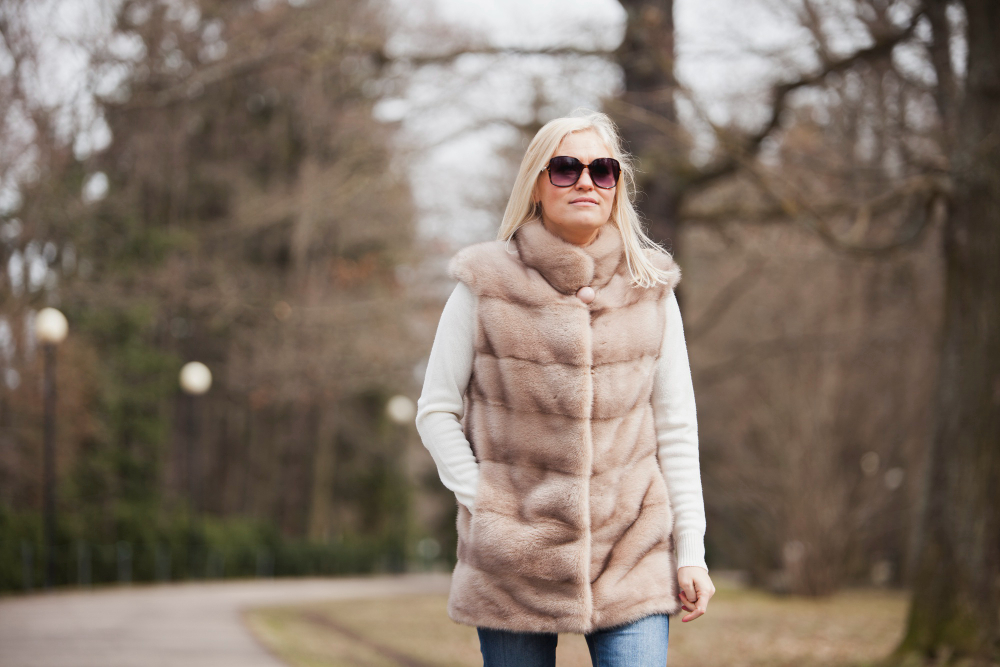
When winter arrives, we all want one thing — to stay warm. But bulky layers and heavy coats can make even the simplest outdoor activity uncomfortable. That’s where the lightest winter coat comes in. Designed with innovative materials and modern insulation technology, these coats provide exceptional warmth without the extra bulk.
In this detailed guide, we’ll explore what makes the lightest winter coats so unique, the materials that define them, how to choose the best one for your needs, and which styles are trending this season.
Why Lightweight Winter Coats Are a Game-Changer
Traditional winter coats are often associated with heavy padding, thick fabrics, and a restricted range of motion. But advances in outerwear technology have completely changed that. The lightest winter coat today can keep you as warm as — or even warmer than — those bulky parkas from the past.
Here’s why lightweight coats are changing the way we dress for cold weather:
- Freedom of Movement:
Lightweight coats allow you to move comfortably, whether you’re hiking, skiing, or running errands in the city. - Travel-Friendly:
The best light winter coats can compress easily, fitting into small spaces in your luggage or backpack without losing their insulation properties. - Sustainable Materials:
Many brands now use eco-friendly and recycled materials to produce the lightest winter coats, reducing environmental impact without sacrificing performance. - All-Weather Versatility:
Lightweight coats aren’t just for mild winters. Modern insulation technologies provide warmth even in sub-zero temperatures, depending on the design and material used.
What Makes the Lightest Winter Coat So Warm?
You might wonder how a thin, lightweight jacket can provide enough warmth to protect against harsh cold. The secret lies in insulation technology and fabric engineering.
1. Down Insulation
Down — the soft layer of fine feathers found under a bird’s outer feathers — is one of the most efficient natural insulators. It traps warm air and provides excellent thermal regulation with minimal weight.
The fill power (a measure of down’s loft and insulating efficiency) is crucial when choosing the lightest winter coat. Coats with a fill power of 700 or higher offer remarkable warmth for their weight.
2. Synthetic Insulation
Synthetic fills, such as PrimaLoft or Thinsulate, are man-made alternatives to down. They’re water-resistant and maintain warmth even when wet — an advantage in damp or snowy conditions. Synthetic insulation is ideal for those who prefer animal-free or vegan-friendly options.
3. Advanced Shell Fabrics
The outer layer of the lightest winter coats often uses ripstop nylon or polyester. These materials are lightweight yet durable and often treated with DWR (Durable Water Repellent) coatings to protect against rain and snow.
4. Heat-Reflective Linings
Some coats use metallic or heat-reflective linings that help retain body heat by bouncing warmth back toward your skin, increasing thermal efficiency without adding weight.
Features to Look For in the Lightest Winter Coat
When searching for the perfect lightweight winter coat, you’ll want to pay attention to more than just weight. Comfort, performance, and versatility matter just as much.
Here are the most important features to consider:
- Weight-to-Warmth Ratio:
Look for coats that provide maximum warmth with minimal weight. Down and synthetic insulation both excel in this category. - Packability:
If you travel frequently, choose a coat that compresses easily into its own pocket or a small pouch. - Weather Resistance:
Make sure your coat has water-resistant or waterproof properties to keep you dry in snow and rain. - Breathability:
The best light winter coats let moisture escape while keeping cold air out — essential for active use. - Adjustable Features:
Adjustable cuffs, hems, and hoods allow for a customized fit and better heat retention. - Style and Fit:
From slim, tailored designs to looser, street-style fits, the lightest winter coats come in a variety of styles to suit every personality.
Different Types of Light Winter Coats
There isn’t just one kind of lightweight coat. Depending on your climate, activity level, and personal preference, you can choose from a range of options.
1. Lightweight Down Jackets
Perfect for dry, cold climates, these jackets combine high fill-power down insulation with ultra-light fabrics. They’re ideal for layering or wearing alone in moderate cold.
2. Synthetic Insulated Coats
Best for wet or unpredictable conditions, these coats use synthetic fibers that mimic down’s warmth while resisting moisture.
3. Softshell Jackets
Softshells are highly breathable and water-resistant, making them great for outdoor activities like hiking or climbing. They’re less insulated than puffer coats but perfect for high-movement winter adventures.
4. Packable Puffers
These are designed specifically for travel and portability. They fold into small pockets, making them easy to carry without taking up space.
5. Hybrid Jackets
Hybrid coats combine multiple materials — for example, insulated fronts with stretchy, breathable backs — for versatility and comfort during active use.
How to Choose the Right Lightest Winter Coat for You
Finding the best light winter coat depends on your personal needs and how you plan to wear it. Here’s a step-by-step guide to help you make the right choice:
Step 1: Determine Your Climate
If you live in extremely cold regions, opt for high-fill down or heavily insulated synthetic coats. For mild winters, a thinner, packable option should be sufficient.
Step 2: Decide on Your Activities
Are you wearing your coat for outdoor sports, city commuting, or casual everyday use? Active users need breathable, flexible fabrics, while urban wearers might prefer sleek, stylish designs.
Step 3: Consider Layering
If you plan to layer underneath, choose a slightly looser fit. For standalone use, a fitted coat traps heat more effectively.
Step 4: Evaluate Portability
Travelers should prioritize packable, lightweight models that fit easily into luggage or backpacks.
Step 5: Check Durability
Even lightweight coats should withstand wear and tear. Reinforced stitching and durable zippers are signs of a long-lasting product.
Styling the Lightest Winter Coat
A lightweight winter coat isn’t just functional — it can also be stylish. Modern designs blend fashion with function, allowing you to stay warm while looking sharp.
Here are a few style tips:
- Casual Look:
Pair your lightweight puffer with jeans and sneakers for a relaxed winter vibe. - Outdoor Adventure:
Combine a synthetic insulated jacket with hiking boots and thermal leggings for optimal performance. - Urban Chic:
A sleek, minimalist coat in neutral tones like black, grey, or navy adds sophistication to city outfits. - Layered Warmth:
Wear your light coat under a heavier shell for added protection during snowstorms or extreme cold.
Caring for Your Lightweight Winter Coat
To extend the life of your coat and maintain its warmth, proper care is essential:
- Washing: Use cold water and mild detergent. Avoid fabric softeners, as they can damage insulation.
- Drying: Tumble dry on low heat with clean tennis balls to restore fluffiness.
- Storage: Keep it in a breathable garment bag — not compressed — during the off-season.
- Spot Cleaning: For small stains, use a damp cloth and gentle soap.
Benefits of Owning the Lightest Winter Coat
Let’s summarize why the lightest winter coat deserves a place in your wardrobe:
- Comfort: You stay warm without feeling weighed down.
- Versatility: Perfect for travel, outdoor activities, or urban life.
- Sustainability: Many brands now use recycled materials.
- Style: Modern designs offer sleek, fashionable looks.
- Functionality: Advanced insulation and weather resistance keep you protected.
Conclusion: Redefining Winter Comfort
The lightest winter coat represents a new era in outerwear — one where warmth doesn’t come at the cost of mobility or comfort. Thanks to cutting-edge materials, smart design, and eco-conscious production methods, you can now face even the harshest winters feeling light, warm, and stylish.
