
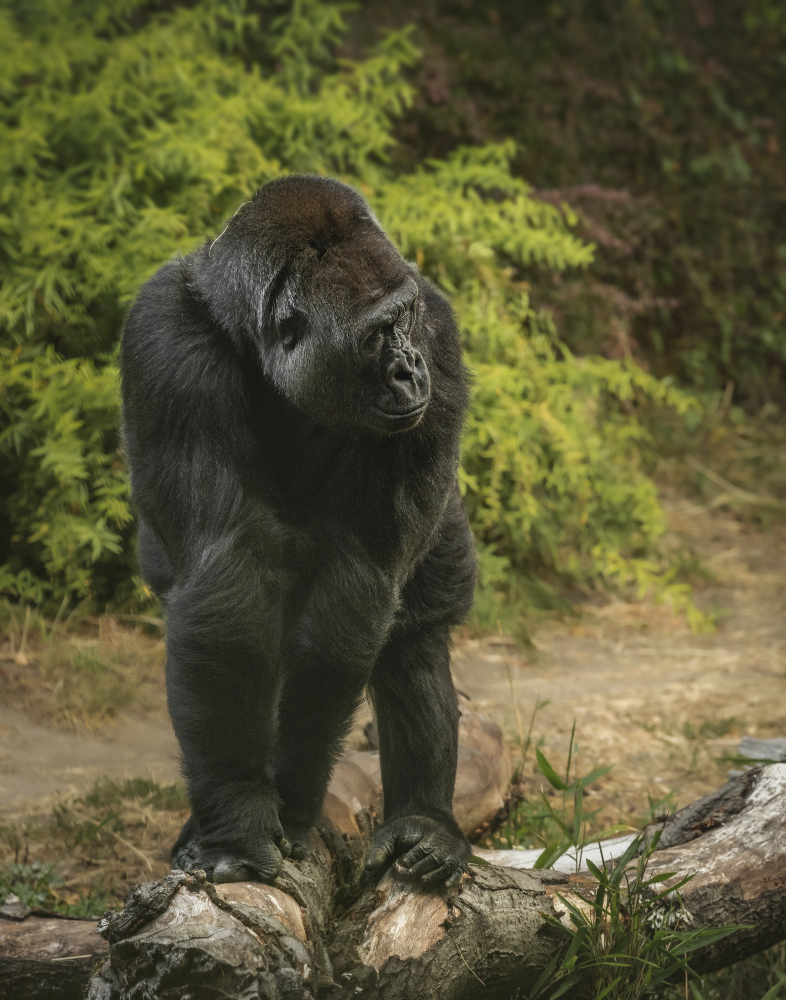
Gorillas are among the most fascinating creatures on our planet. These gentle giants share nearly 98% of their DNA with humans, making them one of our closest relatives in the animal kingdom. Found only in central and western Africa, gorillas are known for their intelligence, social structures, and powerful yet peaceful nature. Unfortunately, these magnificent animals are also endangered, facing threats from poaching, habitat destruction, and disease.
When we talk about kinds of gorillas, it’s important to understand that there isn’t just one single type of gorilla. In fact, scientists have classified two main species of gorillas, each further divided into two subspecies — giving us a total of four kinds of gorillas in the world today. Each kind is unique in appearance, behavior, and habitat.
In this post, we’ll explore all four kinds of gorillas, how they differ, and what makes each one special.
1. The Two Main Species of Gorillas
Before diving into the subspecies, it helps to know that gorillas are classified into two main species:
- Eastern Gorilla (Gorilla beringei)
- Western Gorilla (Gorilla gorilla)
These species are separated by several hundred miles of forest and river barriers in central Africa, which explains why they’ve evolved differently over time. Now let’s look closer at each and their respective subspecies.
2. Eastern Gorilla: The Mountain and the Grauer’s Gorilla
The Eastern Gorilla species is generally larger and darker than its western relatives. They live in the dense forests and mountainous regions of eastern Central Africa. Within this species, there are two subspecies: the Mountain Gorilla and the Eastern Lowland Gorilla (Grauer’s Gorilla).
A. Mountain Gorilla (Gorilla beringei beringei)
Habitat and Range
The Mountain Gorilla is perhaps the most famous of all gorilla types, largely due to conservation efforts and documentaries like Gorillas in the Mist. They live in the Virunga Mountains, a chain of volcanoes spread across Rwanda, Uganda, and the Democratic Republic of the Congo (DRC). A smaller population also resides in Bwindi Impenetrable National Park in Uganda.
These gorillas live at high elevations — between 8,000 and 13,000 feet — in misty, cool forests that are rich in vegetation.
Physical Characteristics
Mountain gorillas are stockier than other kinds of gorillas, with longer hair to keep them warm in their cold, mountainous environment. They typically weigh around 300 to 450 pounds (135–205 kg) for males and 150 to 250 pounds (70–115 kg) for females.
The males, known as silverbacks due to the silver hair that develops on their backs as they mature, are incredibly strong and protective leaders of their groups.
Behavior and Diet
Mountain gorillas are mostly herbivores, feeding on leaves, stems, fruits, and bamboo shoots. They live in tight-knit family groups led by one dominant silverback who makes all decisions — from where to forage to when to rest.
Despite their size and strength, mountain gorillas are peaceful creatures, preferring to avoid conflict unless their family is threatened.
Conservation Status
The good news is that the Mountain Gorilla population has been increasing thanks to intensive conservation work. Once down to just a few hundred individuals in the 1980s, their numbers now exceed 1,000. They are currently listed as Endangered by the IUCN.
B. Eastern Lowland Gorilla (Gorilla beringei graueri)
Habitat and Range
Also known as the Grauer’s Gorilla, this subspecies lives in the lowland rainforests of eastern DRC. Unlike the mountain gorilla, these gorillas inhabit lower elevations, typically between 2,000 and 9,000 feet.
Physical Characteristics
Grauer’s gorillas are the largest kind of gorilla, with males weighing up to 500 pounds (230 kg). They have shorter hair than mountain gorillas, which suits the warmer lowland climate. Their bodies are robust, and their chests are broad, giving them immense power.
Behavior and Diet
These gorillas have a diverse diet that includes fruits, leaves, bark, and seeds. They live in groups similar to mountain gorillas, usually led by one dominant silverback.
However, Grauer’s gorillas are more elusive and less studied due to the political instability in their habitat regions. Civil conflict in the DRC has made research and conservation extremely difficult.
Conservation Status
Unfortunately, Grauer’s gorillas are Critically Endangered. Their population has plummeted by more than 80% over the past 25 years, mainly due to poaching and habitat loss caused by mining and deforestation.
3. Western Gorilla: The Cross River and Western Lowland Gorilla
The Western Gorilla species is found in western Central Africa. Compared to their eastern cousins, they are generally smaller, lighter-colored, and more arboreal, meaning they spend more time climbing trees.
There are two subspecies: the Western Lowland Gorilla and the Cross River Gorilla.
A. Western Lowland Gorilla (Gorilla gorilla gorilla)
Habitat and Range
The Western Lowland Gorilla is the most widespread and most numerous kind of gorilla. They are found across several countries, including Cameroon, Gabon, Equatorial Guinea, Central African Republic, Republic of Congo, and parts of Angola.
They inhabit dense tropical rainforests, swampy forests, and even secondary growth forests.
Physical Characteristics
Western Lowland Gorillas are slightly smaller than eastern gorillas but still incredibly powerful. Males weigh around 300–400 pounds (135–180 kg). They have brownish-gray coats with a reddish tinge on their heads, which makes them easily recognizable.
Behavior and Diet
Their diet is fruit-rich, supplemented with seeds, nuts, leaves, and termites. These gorillas are more arboreal and spend a good portion of their time climbing trees in search of food.
They live in social groups of 5 to 15 individuals, led by a silverback. Females tend to migrate between groups, which increases genetic diversity.
Conservation Status
Although Western Lowland Gorillas are the most numerous, they are still classified as Critically Endangered. Ebola outbreaks, hunting, and deforestation have devastated their numbers, and accurate population counts are hard to obtain due to their dense forest habitats.
B. Cross River Gorilla (Gorilla gorilla diehli)
Habitat and Range
The Cross River Gorilla is the rarest and most endangered kind of gorilla. They live in a small area along the border between Nigeria and Cameroon, in the highlands of the Cross River region.
Their range is extremely limited — estimated at less than 3,000 square miles — and their population is fewer than 300 individuals.
Physical Characteristics
Cross River Gorillas are similar in size to Western Lowland Gorillas but have shorter skulls and larger teeth. Their adaptations may be due to the unique environmental pressures of their mountainous habitat.
Behavior and Diet
They feed on fruits, nuts, leaves, and stems, moving seasonally to find food. Cross River Gorillas are very shy and tend to avoid humans, which has helped them survive despite heavy hunting pressures in the past.
Conservation Status
These gorillas are Critically Endangered, with conservation groups working hard to connect their fragmented habitats using forest corridors. Without these efforts, small isolated populations could face extinction within a few decades.
4. Comparing the Four Kinds of Gorillas
| Species/Subspecies | Scientific Name | Region | Elevation | Conservation Status |
|---|---|---|---|---|
| Mountain Gorilla | Gorilla beringei beringei | Rwanda, Uganda, DRC | High (8,000–13,000 ft) | Endangered |
| Eastern Lowland Gorilla (Grauer’s) | Gorilla beringei graueri | Eastern DRC | Mid-low (2,000–9,000 ft) | Critically Endangered |
| Western Lowland Gorilla | Gorilla gorilla gorilla | Central & West Africa | Lowland forests | Critically Endangered |
| Cross River Gorilla | Gorilla gorilla diehli | Nigeria & Cameroon | Highland forests | Critically Endangered |
5. Why Protecting Gorillas Matters
Protecting all kinds of gorillas isn’t just about saving a single species — it’s about preserving entire ecosystems. Gorillas play a crucial role as seed dispersers, helping forests regenerate and maintain biodiversity. Their survival directly impacts the health of African rainforests, which are essential for the planet’s oxygen and climate regulation.
Moreover, gorillas have immense cultural, ecological, and scientific importance. Studying them helps us understand human evolution, social behavior, and intelligence.
6. Conservation Efforts and Hope for the Future
Despite the challenges, there is hope for gorillas. Conservation initiatives across Africa — such as anti-poaching patrols, community-based ecotourism, and habitat restoration — are making a difference. In Rwanda and Uganda, responsible gorilla tourism provides funding that directly supports local communities and protects gorilla families.
International organizations like the World Wildlife Fund (WWF), Dian Fossey Gorilla Fund, and Wildlife Conservation Society (WCS) continue to fight for these species’ survival.
With continued global awareness and protection, the dream of a thriving gorilla population — from the misty mountains to the lush lowlands — can become a reality.
Conclusion
The four kinds of gorillas — Mountain, Eastern Lowland (Grauer’s), Western Lowland, and Cross River — each represent a unique story of adaptation and survival. While they differ in habitat, appearance, and behavior, all share one common thread: their struggle for existence in a rapidly changing world.
By understanding the kinds of gorillas and the threats they face, we can better appreciate their beauty and importance — and, more importantly, take action to ensure that future generations can continue to witness these magnificent giants in the wild.
