
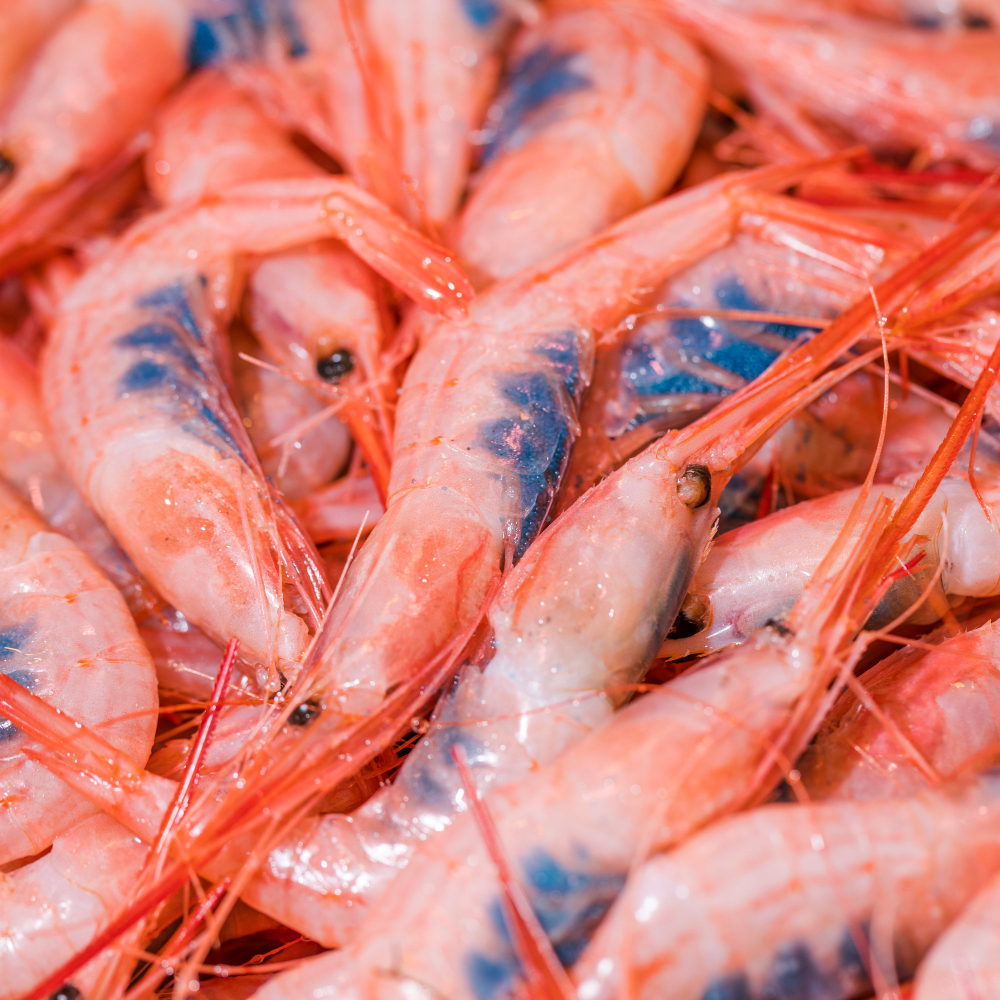
Shrimp farming, often referred to as aquaculture or mariculture when conducted in saltwater environments, has rapidly become one of the most significant sectors in global seafood production. Once considered a delicacy harvested from the wild, shrimp are now farmed on a massive scale to meet the ever-growing demand of consumers around the world. From the coastlines of Southeast Asia to the ponds of South America, farming shrimp has evolved into a multi-billion-dollar industry. In this blog post, we’ll explore everything you need to know about farming shrimp—its methods, environmental impact, economic benefits, and the growing importance of sustainability in this field.
What Is Shrimp Farming?
Shrimp farming is the practice of cultivating shrimp in controlled aquatic environments for commercial production. Instead of catching shrimp from the wild, farmers raise them in man-made ponds, tanks, or enclosures designed to simulate natural habitats. The goal is to produce shrimp efficiently, economically, and with minimal environmental disruption.
There are two major categories of shrimp farming:
- Marine shrimp farming – Cultivating saltwater species such as Penaeus monodon (giant tiger prawn) and Litopenaeus vannamei (Pacific white shrimp).
- Freshwater shrimp farming – Focusing on species like Macrobrachium rosenbergii (giant river prawn), often grown in inland ponds or tanks.
Each type requires distinct water conditions, temperature management, and feed protocols to ensure healthy growth and high yields.
The Evolution of Shrimp Farming
Shrimp farming has ancient roots in Asia, with traditional systems operating for centuries in countries like Indonesia, China, and Thailand. However, the modern era of shrimp farming began in the 1970s and 1980s, when technological advances made it possible to control breeding and water quality more effectively.
By the 1990s, countries like Thailand, Vietnam, India, and Ecuador had become global leaders in shrimp production. Today, farmed shrimp accounts for over 55% of the global shrimp supply, according to data from the Food and Agriculture Organization (FAO).
This transformation has helped meet global seafood demands, create millions of jobs, and generate significant export revenue. Yet, it has also raised serious questions about sustainability and environmental management, which we’ll address later.
How Shrimp Farming Works
Farming shrimp involves several carefully managed stages, from breeding to harvesting. Each phase is crucial for maintaining shrimp health and ensuring quality produce for the market.
1. Hatchery Phase
The process begins with the hatchery, where mature shrimp (broodstock) are bred to produce larvae. These larvae go through several developmental stages, including nauplius, zoea, and mysis, before becoming postlarvae—young shrimp that are ready to be transferred to grow-out ponds.
Hatcheries maintain optimal conditions of salinity, oxygen, and temperature to ensure healthy larval development. Genetic selection also plays a major role, as breeders aim for fast-growing and disease-resistant shrimp lines.
2. Nursery Stage
In the nursery phase, the postlarvae are acclimated to pond or tank environments. Farmers gradually adjust the water conditions to match the grow-out systems, ensuring smooth adaptation. This stage helps increase survival rates and prepare shrimp for the more variable conditions of outdoor ponds.
3. Grow-Out Phase
This is the main production stage where shrimp are raised until they reach market size. Depending on the species and environmental conditions, this process can take anywhere from 3 to 6 months.
There are different systems used for grow-out operations:
- Extensive systems: Low-density ponds relying on natural food sources.
- Semi-intensive systems: Moderate stocking densities with some artificial feeding.
- Intensive systems: High-density farming with controlled feeding, aeration, and water exchange.
Modern shrimp farms often employ biofloc technology, which recycles nutrients in the water by promoting beneficial bacterial growth. This reduces waste, minimizes water changes, and improves shrimp health.
4. Harvesting and Processing
Once shrimp reach the desired size, they are harvested, usually using nets or by draining the ponds. The shrimp are then sorted, cleaned, and either sold fresh or processed into frozen products.
Environmental Challenges in Shrimp Farming
While shrimp farming has brought economic prosperity to many regions, it has also faced significant criticism due to environmental and social issues.
- Mangrove Destruction:
In the early days of industrial shrimp farming, many coastal mangrove forests were cleared to build ponds. This led to habitat loss for countless species, increased coastal erosion, and reduced carbon sequestration. - Water Pollution:
Improper waste management from shrimp ponds can lead to nutrient-rich discharge, causing algal blooms and oxygen depletion in nearby water bodies. - Disease Outbreaks:
Diseases such as White Spot Syndrome Virus (WSSV) and Early Mortality Syndrome (EMS) have devastated shrimp farms globally, leading to massive economic losses. Poor biosecurity and overcrowding often exacerbate these outbreaks. - Social Impacts:
In some regions, large-scale shrimp farms have displaced traditional fishing communities, leading to social and economic disruptions.
The Move Toward Sustainable Shrimp Farming
In recent years, the shrimp farming industry has made significant strides toward sustainability. With growing consumer awareness and international pressure, producers are adopting eco-friendly methods and certifications.
Here are some key trends in sustainable shrimp aquaculture:
1. Eco-Certification Programs
Organizations such as the Aquaculture Stewardship Council (ASC) and Best Aquaculture Practices (BAP) have established strict certification standards to ensure responsible farming. Certified farms must manage waste effectively, avoid harmful chemicals, and protect local ecosystems.
2. Recirculating Aquaculture Systems (RAS)
RAS technology allows shrimp to be farmed in fully closed, land-based systems. Water is continuously filtered and reused, eliminating the risk of pollution and reducing water usage by up to 90%.
3. Biofloc and Integrated Multi-Trophic Aquaculture (IMTA)
These systems enhance sustainability by using natural processes to recycle nutrients. For example, biofloc technology uses beneficial microorganisms to maintain water quality, while IMTA combines shrimp farming with other species like seaweed or fish to balance nutrient flows.
4. Feed Innovation
Traditional shrimp feed relies heavily on fishmeal and fish oil, which are unsustainable. Today, companies are developing alternative protein sources such as insect meal, algae, and plant-based ingredients to reduce environmental pressure.
Economic Importance of Shrimp Farming
Shrimp farming is a cornerstone of economic development in many coastal nations. It generates billions in export revenue and provides employment for millions of people worldwide.
- Top producers: China, India, Indonesia, Vietnam, Ecuador, and Thailand dominate global shrimp exports.
- Top consumers: The United States, Japan, and members of the European Union are the biggest importers of farmed shrimp.
For instance, India’s shrimp export industry was valued at over $7 billion USD in recent years, largely due to the success of Litopenaeus vannamei farming.
Small-scale farms also play a vital role, especially in Southeast Asia, where family-operated ponds sustain local economies and preserve traditional livelihoods.
Future of Shrimp Farming
The future of shrimp farming lies in innovation and sustainability. As global demand for seafood continues to rise, the industry must balance profitability with environmental stewardship. Emerging technologies such as AI-powered monitoring, automated feeding systems, and genetic advancements are making shrimp farming more efficient and eco-friendly.
Furthermore, consumer demand for traceability is pushing producers to adopt digital tracking systems that verify the origin and sustainability of their shrimp products.
With the combined efforts of governments, researchers, and responsible farmers, the shrimp farming industry is poised to become a model of sustainable aquaculture in the decades to come.
Conclusion
Farming shrimp is more than just a business—it’s a complex and evolving practice that reflects humanity’s broader relationship with nature and technology. From the traditional ponds of Asia to high-tech indoor systems in Europe and the Americas, shrimp farming continues to adapt and grow.
While the industry faces challenges related to the environment, disease, and ethics, the shift toward sustainable aquaculture is a hopeful sign. By supporting responsible producers and choosing certified shrimp, consumers can help shape a future where shrimp farming nourishes both people and the planet.
