
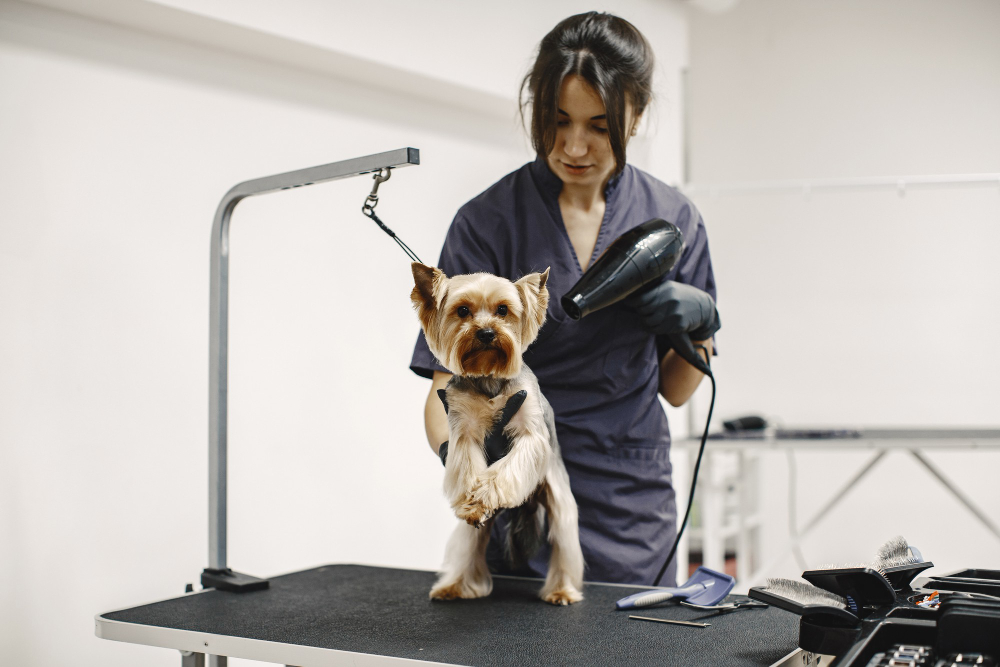
Dog grooming is far more than just making your pet look adorable — it’s an essential part of responsible pet ownership. A well-groomed dog is a healthy dog, and regular grooming not only enhances your furry friend’s appearance but also contributes to their comfort, hygiene, and overall well-being. Whether you’re a new dog parent or a long-time pet lover, understanding proper dog grooming techniques can make a world of difference in your pet’s life.
In this complete guide, we’ll explore everything you need to know about dog grooming, including why it’s important, what it involves, how often to groom your dog, and practical tips to make the experience enjoyable for both you and your pup.
What Is Dog Grooming?
Dog grooming refers to the cleaning and care of a dog’s coat, skin, nails, ears, teeth, and overall body. Grooming keeps your pet’s hygiene in check, helps detect early signs of health issues, and ensures your dog feels comfortable and looks its best.
Professional dog groomers perform these services in grooming salons, but many pet owners also prefer to groom their dogs at home using the right tools and techniques.
Why Dog Grooming Is So Important
Regular dog grooming plays a crucial role in your pet’s health. Here’s why it matters:
1. Maintains Skin and Coat Health
Brushing your dog regularly helps remove dead hair, dirt, and dandruff. It also distributes natural oils, keeping the coat shiny and preventing tangles or matting — a common problem in long-haired breeds.
2. Prevents Parasites and Infections
Grooming allows you to check for fleas, ticks, or skin irritations early. Regular ear cleaning and teeth brushing also help prevent infections that can cause pain or discomfort.
3. Improves Comfort and Mobility
Overgrown nails can make walking painful and lead to joint problems. Trimming your dog’s nails ensures proper posture and mobility. Similarly, trimming hair around the eyes and paws enhances comfort and visibility.
4. Reduces Shedding and Allergies
Frequent grooming minimizes excessive shedding, keeping your home cleaner and reducing pet dander — a common allergen.
5. Strengthens Your Bond
Grooming sessions are a great opportunity to bond with your pet. When done gently and patiently, they can become moments of trust and affection between you and your dog.
The Essential Steps in Dog Grooming
To groom your dog effectively, it’s important to understand what each grooming step involves.
1. Brushing
Brushing removes loose fur, dirt, and knots. The type of brush depends on your dog’s coat:
- Short-haired breeds: Use a bristle brush or rubber grooming mitt.
- Long-haired breeds: Use a slicker brush or pin brush.
- Double-coated breeds: Use an undercoat rake to remove dead fur.
Brush at least twice a week — daily for long-haired dogs. Always brush in the direction of hair growth and be gentle around sensitive areas.
2. Bathing
Dogs don’t need daily baths, but a bath every 4–8 weeks keeps their coat clean and fresh. Use lukewarm water and a dog-specific shampoo (never human shampoo).
Bathing tips:
- Brush your dog before the bath to remove tangles.
- Rinse thoroughly to prevent shampoo residue that can irritate skin.
- Dry gently with a towel or blow dryer on a low heat setting.
Some breeds with oily coats (like Basset Hounds) may need more frequent baths, while others (like Huskies) can go longer between washes.
3. Nail Trimming
Trimming your dog’s nails every 3–4 weeks is essential. Long nails can split, break, or affect walking posture.
How to trim:
- Use dog nail clippers or a grinder.
- Cut only the tip — avoid the quick (the pink part containing blood vessels).
- If your dog’s nails are black, trim small sections at a time.
If you’re unsure or nervous, a professional groomer or vet can handle nail trims safely.
4. Ear Cleaning
Dogs’ ears can trap moisture and wax, making them prone to infections. Clean your dog’s ears once a month or as needed.
Steps:
- Use a vet-approved ear cleaner and cotton ball.
- Gently wipe the outer ear — never insert anything deep into the ear canal.
- Check for redness, odor, or discharge — signs of infection.
5. Teeth Brushing
Oral hygiene is often overlooked in dog grooming, but it’s vital for long-term health. Brush your dog’s teeth 2–3 times per week using a dog toothbrush and toothpaste.
Poor dental care can lead to plaque buildup, gum disease, and bad breath. Chew toys and dental treats can also help maintain clean teeth.
6. Hair Trimming and Styling
Some breeds require regular haircuts to prevent matting and keep them comfortable in different seasons. Professional grooming is best for breeds like Poodles, Shih Tzus, and Schnauzers.
If trimming at home, use dog clippers and start slowly. Always follow your breed’s recommended grooming style.
Grooming Frequency by Coat Type
Each dog’s grooming needs depend on their breed, coat length, and lifestyle. Here’s a general guide:
| Coat Type | Grooming Frequency | Typical Breeds |
|---|---|---|
| Short coat | Brush once a week; bathe every 2–3 months | Beagle, Boxer |
| Medium coat | Brush 2–3 times a week; bathe every 4–6 weeks | Labrador, Corgi |
| Long coat | Brush daily; bathe every 3–4 weeks | Shih Tzu, Golden Retriever |
| Double coat | Brush weekly; extra grooming during shedding seasons | Husky, German Shepherd |
| Curly coat | Professional grooming every 4–6 weeks | Poodle, Bichon Frise |
Professional Dog Grooming vs. At-Home Grooming
Both professional and DIY grooming have their pros and cons.
Professional Grooming Advantages:
- Trained experts handle sensitive tasks like nail trimming and styling.
- Access to high-quality grooming tools and shampoos.
- Perfect for dogs that shed heavily or have complex coats.
At-Home Grooming Advantages:
- Strengthens your bond with your pet.
- Saves money on regular grooming sessions.
- Allows you to monitor your dog’s health closely.
Many pet owners use a mix of both — professional grooming every few months, with regular brushing and maintenance at home.
Tips for Successful Dog Grooming at Home
- Start Early – Begin grooming when your dog is a puppy so they become comfortable with the routine.
- Use the Right Tools – Invest in quality brushes, clippers, nail trimmers, and shampoos designed for dogs.
- Create a Calm Environment – Groom your dog in a quiet, comfortable space with minimal distractions.
- Take Breaks – If your dog gets restless, pause and reward them with treats or praise.
- Check for Health Issues – During grooming, inspect your dog’s skin, eyes, teeth, and ears for abnormalities.
- Be Gentle – Never rush or force grooming. Patience ensures a positive experience.
Natural Dog Grooming Options
Many pet owners are turning to natural grooming products that are free from harsh chemicals. Look for shampoos with ingredients like oatmeal, aloe vera, and coconut oil — they soothe the skin and keep the coat shiny.
You can even make a simple homemade dog conditioner using coconut oil and water to keep the fur soft and moisturized.
Common Dog Grooming Mistakes to Avoid
- Using human shampoo – It can dry out your dog’s skin.
- Bathing too often – Frequent baths can strip natural oils.
- Ignoring the ears and teeth – These areas are prone to infection if neglected.
- Cutting nails too short – This can cause pain and bleeding.
- Skipping regular brushing – It leads to matting, tangles, and skin irritation.
Avoiding these mistakes keeps your dog’s grooming routine safe and effective.
Benefits of Regular Dog Grooming
Consistent grooming doesn’t just keep your dog beautiful — it has long-lasting benefits for their health and happiness:
- Cleaner, softer, and shinier coat
- Reduced odor and shedding
- Better circulation and skin health
- Early detection of lumps, parasites, or skin problems
- Stronger emotional connection with your pet
Final Thoughts
Dog grooming is more than just a cosmetic routine — it’s an act of love. By maintaining your dog’s coat, nails, ears, and teeth, you’re ensuring they live a comfortable, healthy, and happy life. Whether you choose professional services or enjoy grooming your pet at home, consistency and care are what matter most.
