
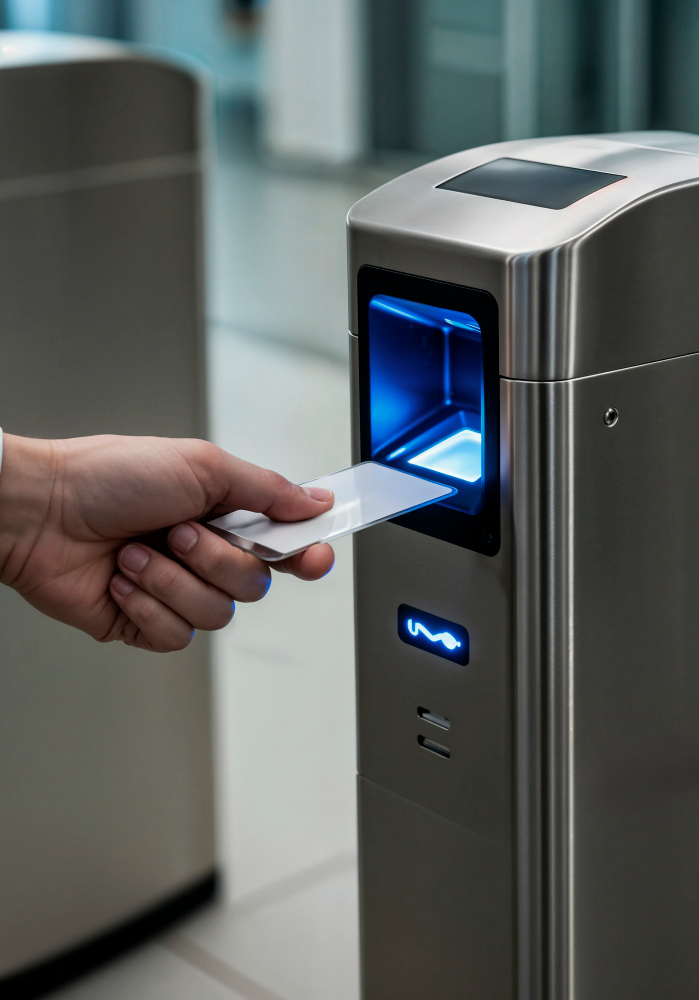
In recent years, retail theft has surged across the UK, leaving major supermarkets searching for stronger solutions. Among the retailers responding to this growing trend, Tesco has adopted a modern and controversial approach: AI security cabinets. These high-tech units are now appearing in select stores, locking away items and only granting access after customer verification. For many shoppers, this is a significant shift from the traditional open-shelf model, sparking curiosity, debate, and questions about how artificial intelligence fits into the future of shopping.
While some see Tesco AI security cabinets as a necessary response to rising shoplifting incidents, others believe it represents the beginning of a more controlled, less convenient retail environment. Regardless of opinion, one thing is clear: technology is transforming supermarkets faster than ever before.
In this article, we’ll explore what Tesco AI security cabinets are, why they exist, how they work, customer responses, advantages, drawbacks, and what this trend means for the future of retail.
What Are Tesco AI Security Cabinets?
Tesco AI security cabinets are digitally controlled, AI-assisted storage units used to secure high-theft or valuable products. Unlike traditional locked cabinets that require staff assistance, these smart cabinets use artificial intelligence, authentication systems, sensors, and CCTV integration to automate access and track interactions.
Shoppers may need to:
- Scan their Tesco Clubcard
- Verify identity at a kiosk
- Use a digital payment method before unlocking
- Request digital approval
Once approved, the cabinet unlocks electronically, allowing a limited number of products to be removed.
These cabinets are often used for:
- Alcohol
- Razor blades
- Energy drinks
- Baby formula
- Cosmetics
- Over-the-counter medicines
The selection varies based on store-level theft data and customer behaviour analytics.
Why Tesco Introduced AI Security Cabinets
The rise of Tesco AI security cabinets is largely connected to a growing retail crime wave. Shrinkage—industry terminology for lost inventory—has increased dramatically. Theft, accidental loss, misuse of self-checkout, and organised retail crime have pushed supermarkets toward new solutions.
Tesco’s motivation includes:
Rising shoplifting cases
High-value and small-size items are most frequently targeted.
Organised retail crime networks
Groups steal in bulk and resell goods online.
Self-checkout loopholes
AI monitoring helps reduce “accidental” mis-scans.
Reducing staff workload
Instead of calling staff for access, the system automates the process.
Protecting profit margins
Loss prevention is cheaper than constantly replacing stolen stock.
Tesco sees AI security cabinets as an investment in long-term operational efficiency rather than a temporary solution.
How Do Tesco AI Security Cabinets Work?
The technology behind these cabinets may feel futuristic, but the process is straightforward.
Here’s how it typically works:
- Customer approaches the cabinet
- AI camera verifies presence
- Customer scans Clubcard, app, or payment method
- System checks customer eligibility
- Cabinet unlocks electronically
- Sensors detect product removal
- Item is added to digital basket automatically
- Customer completes payment at checkout or via app
Behind the scenes, the AI uses:
- Image recognition
- Motion tracking
- Inventory sensors
- Behavioural analytics
- Data logs
This ensures restricted access and reduces both intentional and accidental loss.
Customer Reaction: Helpful or Invasive?
As Tesco AI security cabinets roll out, public response has been divided. Many shoppers welcome the technology, especially those who value efficiency and automation. For them, it’s faster than hunting for a staff member or waiting for a manual key release.
However, others have expressed concerns, such as:
- Feeling watched or monitored
- Privacy and data usage worries
- Reduced trust between retailer and customer
- Longer queues if technology fails
- Accessibility challenges for elderly shoppers
Social media discussions show mixed emotions—some find the system impressive, while others consider it unnecessary or frustrating.
Advantages of Tesco AI Security Cabinets
Despite criticism, these cabinets offer several practical benefits for both retailers and shoppers.
1. Reduced Theft
The primary function is loss prevention. A locked cabinet is a strong deterrent, and AI validation adds another protective layer.
2. Faster Access Than Traditional Locked Storage
Instead of waiting for a staff member with a key, customers can unlock the cabinet digitally.
3. Improved Stock Accuracy
Sensors and automated tracking help Tesco maintain accurate inventory levels.
4. Enhanced Safety for High-Risk Items
Some products require age verification or controlled sale. AI helps ensure compliance.
5. Scalable and Data-Driven Security
Tesco can monitor theft patterns and adjust protection based on real-time analytics.
Disadvantages and Criticisms
While effective in some areas, the system isn’t perfect.
1. Reduced Shopping Convenience
Extra steps may annoy customers, especially those in a hurry.
2. Technical Failures
Errors or connectivity issues could prevent legitimate purchases.
3. Privacy Concerns
AI tracking and identity verification raise questions about how customer data is stored and used.
4. Customer Stigma
Some shoppers feel unfairly treated, as if the store assumes they are thieves.
5. Accessibility Barriers
Not everyone owns a smartphone, Clubcard, or digital payment method.
These drawbacks highlight that for Tesco AI security cabinets to be successful, ease of use must match security benefits.
Are Tesco AI Security Cabinets the Future of Retail?
Tesco’s adoption of AI security technology is part of a global trend. Other supermarkets, pharmacies, and electronics stores are exploring similar systems. As retail theft continues to evolve, smart security solutions are likely to become more common.
In the future, we may see:
- Fully automated digital shopping access points
- Smart shelves that detect product movement
- Checkout-free payment systems
- Biometric identity verification
- Dynamic pricing models tied to product risk
For now, Tesco AI security cabinets represent one step toward a more secure, technology-driven shopping landscape.
Will Customers Adapt or Push Back?
History shows that customers often resist new retail technology at first—from self-checkout to contactless payments—but eventually adapt. Whether Tesco AI security cabinets follow that pattern depends on:
- Ease of use
- Trust in technology
- Transparency about data usage
- Customer service support
- Balance between convenience and control
If the system makes shopping smoother, safer, and faster, adoption may grow organically. If it feels restrictive or invasive, it may remain controversial.
Conclusion: A New Era of Smart Retail Security
Tesco AI security cabinets are more than an anti-shoplifting tool—they are a symbol of how artificial intelligence is reshaping the retail industry. They represent a shift toward automated security, digital verification, and data-driven operations.
