
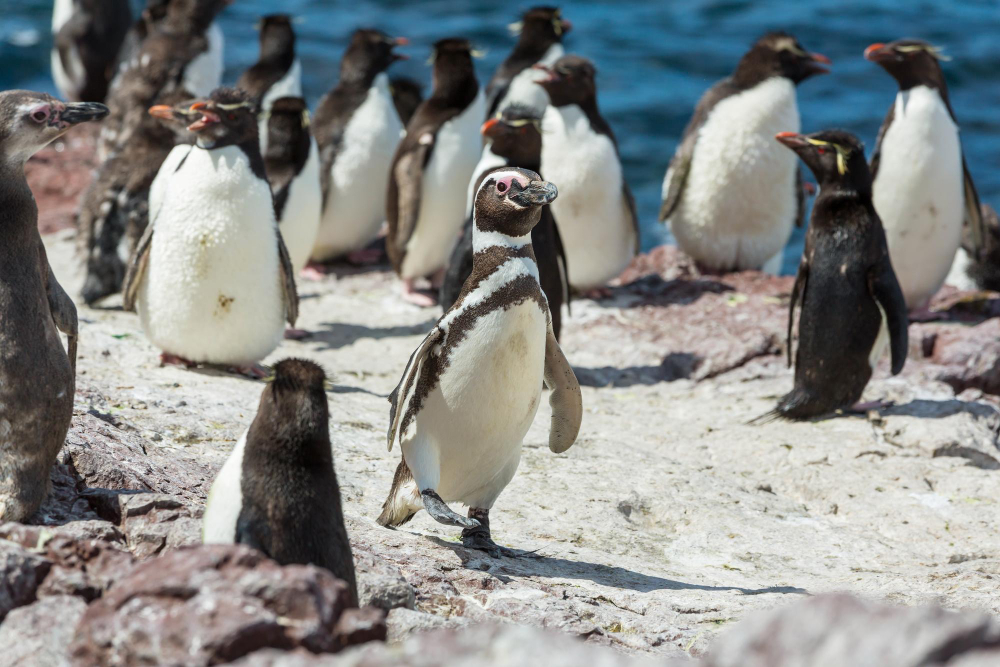
Penguins are among the most fascinating and beloved creatures on Earth. Their adorable waddle, tuxedo-like feathers, and social personalities have made them favorites in movies, cartoons, and zoos around the world. It’s no surprise that some animal lovers might type “penguins for sale” into a search engine, dreaming of bringing one home as a pet.
But before you let that idea take flight, it’s important to understand that buying, owning, or selling penguins is not as simple—or as legal—as it might seem. In fact, for most people, it’s illegal and ethically problematic to own a penguin as a pet. In this detailed blog post, we’ll explore why penguins aren’t suitable as pets, what laws govern their sale, where penguins actually belong, and what you can do instead to support these amazing animals.
The Fascination Behind “Penguins for Sale”
When someone searches for penguins for sale, they’re usually captivated by the idea of owning an exotic, friendly, and unique pet. Penguins look cute and social, and many people assume they could thrive in a backyard pool or indoor environment. The reality, however, couldn’t be further from the truth.
Penguins are wild animals, not domestic pets. Their care requirements are extremely complex, and they thrive only in highly specialized environments. Even zoos and aquariums invest millions of dollars in temperature control, water filtration, and diet management to keep penguins healthy and stress-free.
Is It Legal to Buy or Own a Penguin?
Let’s clear this up right away: No, you cannot legally buy or own a penguin as a pet in almost every country in the world.
Here’s why:
1. Penguins Are Protected Species
All penguin species are protected under international conservation laws such as the Convention on International Trade in Endangered Species of Wild Fauna and Flora (CITES). This treaty restricts the buying, selling, or trading of penguins or their eggs, feathers, or any body parts.
2. National Wildlife Protection Laws
In countries like the United States, penguins are protected under the Endangered Species Act and the Migratory Bird Treaty Act. This means private individuals cannot import, own, or sell them. Similar laws exist in Canada, the UK, Australia, and most parts of Europe.
3. Antarctic Treaty
The Antarctic Treaty protects penguins and their natural habitats. Removing penguins from Antarctica or disturbing their colonies is a serious violation of international law. Only licensed scientific researchers can interact with wild penguin populations, and even that is highly regulated.
So if you see websites or online ads claiming to have penguins for sale, be cautious—these are almost certainly scams or illegal operations.
Why Penguins Make Terrible Pets
Even if it were legal, penguins are extremely difficult to care for in captivity. Here are some key reasons why keeping a penguin as a pet is a bad idea:
1. They Need Cold Environments
Most penguins, such as the Emperor and Adélie species, come from icy regions like Antarctica. They need temperatures below freezing and cold, clean saltwater to swim in. You’d need a custom-built, refrigerated enclosure costing tens of thousands of dollars to even approximate their natural habitat.
2. They Eat Constantly
Penguins consume a diet mainly of fresh fish like anchovies, sardines, and krill. An adult penguin can eat several pounds of fish every day. That means thousands of dollars annually just to feed one penguin properly.
3. They’re Social Animals
Penguins live in large colonies. A single penguin in captivity would become lonely, anxious, and depressed. To meet their social needs, you’d have to own an entire group, which is impossible for private individuals.
4. They’re Messy and Smelly
Unlike a cat or dog, penguins don’t have litter boxes. They defecate wherever they stand—often on rocks, ice, or even other penguins. They also release a strong fishy odor due to their diet and oily feathers. Their enclosure would need constant cleaning.
5. They Require Expert Medical Care
Finding a veterinarian who specializes in penguins is next to impossible outside of zoos or aquariums. Penguins are prone to bacterial and fungal infections if their environment isn’t kept perfectly clean and balanced.
In short, penguins are not meant for home living. Even wealthy individuals with large estates and aquariums struggle to replicate the complex ecological balance these birds require.
The Reality Behind Penguin Trade Scams
If you’ve come across websites, exotic pet forums, or social media pages claiming to have penguins for sale, there’s a high chance it’s a scam. These sites often post fake photos, request deposits, and disappear after receiving payment.
Signs of a scam include:
- Requests for upfront payment via cryptocurrency or wire transfer
- Claims of “special licenses” or “penguins bred in captivity”
- Poor English or vague contact details
- Prices that sound “too good to be true”
Legitimate penguin ownership is restricted to licensed zoos, aquariums, and research institutions. Private sellers simply don’t exist in this field.
Penguins in Zoos and Aquariums
If you truly love penguins, your best chance to see them up close is by visiting a certified zoo or aquarium. Institutions like SeaWorld, Monterey Bay Aquarium, or Edinburgh Zoo maintain high welfare standards and contribute to conservation and research programs.
These facilities recreate penguin habitats with chilled air, saltwater pools, and controlled lighting cycles to simulate natural conditions. They also educate the public about penguin conservation, breeding, and environmental threats like climate change and overfishing.
Supporting Penguin Conservation Instead of Buying
While owning a penguin is off the table, there are many ethical ways you can support and connect with these birds.
Here are a few ideas:
1. Adopt a Penguin Symbolically
Many wildlife organizations offer symbolic adoption programs. You donate a small amount and “adopt” a penguin in name only. You receive a certificate, photo, and updates on real penguin colonies.
Some great programs include:
- WWF’s Adopt a Penguin Program
- Oceana’s Penguin Conservation Fund
- Penguin Foundation’s Adopt a Little Penguin Program (Australia)
2. Donate to Penguin Research and Rescue Centers
Organizations like SANCCOB (South African Foundation for the Conservation of Coastal Birds) and The Global Penguin Society work tirelessly to rescue injured penguins, rehabilitate them, and protect their habitats.
3. Volunteer or Participate in Ecotourism
Some countries like Argentina, South Africa, and New Zealand offer eco-friendly penguin tours. These allow visitors to observe penguins in the wild without disturbing them—an incredible experience that supports local conservation efforts.
4. Reduce Plastic and Overfishing
One of the biggest threats to penguins today is plastic pollution and declining fish stocks. Reducing single-use plastics and choosing sustainably caught seafood directly helps protect penguin ecosystems.
Famous Penguin Species You Can Learn About
While you can’t buy one, you can definitely learn about and appreciate the different kinds of penguins that exist:
- Emperor Penguin – The largest and most famous species, found in Antarctica.
- King Penguin – Slightly smaller than the Emperor, known for its vivid orange markings.
- Adélie Penguin – Small, black and white, and very active.
- Gentoo Penguin – Recognized by their white head stripe and playful nature.
- Little Blue Penguin – The smallest penguin species, native to Australia and New Zealand.
- African Penguin – Also called the “Jackass Penguin” for its braying call, native to South Africa and Namibia.
Each species has adapted uniquely to its environment, proving just how diverse and fascinating penguins truly are.
Final Thoughts: Penguins Belong in the Wild, Not in Homes
Searching for penguins for sale might start as an innocent curiosity, but it’s crucial to remember that these birds do not belong in captivity outside of professional conservation settings. Penguins are social, wild, and highly specialized animals that depend on cold environments and complex ecosystems to survive.
