
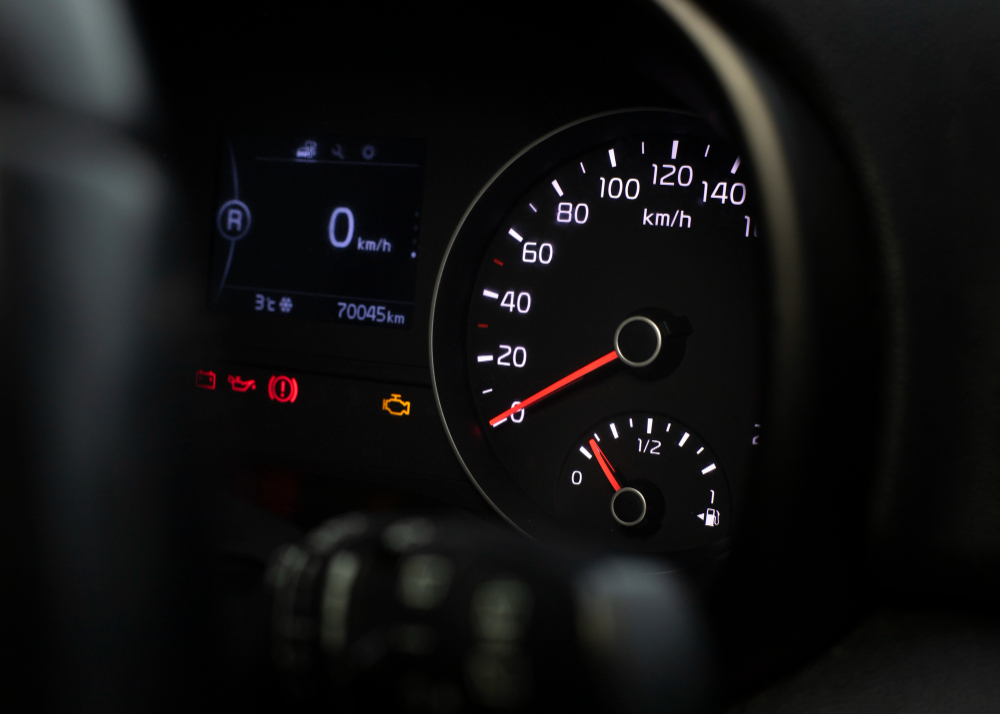
For many drivers, the dreaded check engine light is one of the most confusing and stressful dashboard warnings. What makes it even more puzzling is when the check engine light goes on and off seemingly at random. One day you see it glowing, and the next day it’s gone — only to reappear again later. Does this mean your car is fine, or is it hiding a bigger problem?
In this detailed guide, we’ll break down why the check engine light going on and off happens, the most common causes, what to do about it, and whether you should keep driving when it flickers in and out.
What the Check Engine Light Really Means
The check engine light (CEL) is part of your vehicle’s On-Board Diagnostics system (OBD-II). This system continuously monitors your car’s engine, emissions, and other vital components.
When the light comes on:
- It means the system has detected something unusual.
- The issue could be minor, like a loose gas cap, or more serious, like a failing catalytic converter.
- If the problem temporarily disappears, the system may turn the light off — but that doesn’t mean the issue is permanently resolved.
Think of the light as your car’s way of saying: “Something isn’t quite right — pay attention.”
Why Does the Check Engine Light Go On and Off?
If you’ve ever noticed the check engine light going on and off, you’re not alone. Here are the most common reasons:
1. Loose or Faulty Gas Cap
- The gas cap seals the fuel system and maintains proper pressure.
- If it’s loose, cracked, or not tightened properly, it can trigger the light.
- Sometimes, tightening it fixes the issue, and the light goes off after a few drive cycles.
2. Intermittent Sensor Issues
- Your car relies on sensors (oxygen sensor, mass airflow sensor, etc.) to regulate performance.
- If one malfunctions temporarily, the system may turn the light on.
- When the sensor reads normally again, the light may go off.
3. Faulty Spark Plugs or Ignition Coils
- Worn spark plugs or misfiring ignition coils can cause intermittent engine misfires.
- This may trigger the light when the misfire occurs, then turn it off when the misfire stops.
4. Vacuum Leaks
- Small vacuum leaks can cause inconsistent readings in the system.
- As air enters where it shouldn’t, the car struggles to maintain the correct air-fuel ratio, leading to the light flickering.
5. Catalytic Converter Problems
- A failing catalytic converter may cause the light to turn on and off depending on driving conditions.
- For example, it might trigger the light under heavy load but not during normal cruising.
6. Battery or Electrical Issues
- Weak batteries or corroded connections can cause inconsistent voltage.
- This confuses sensors, leading to the light coming on and then disappearing.
7. Temperature-Related Factors
- Sometimes extreme cold or heat temporarily affects sensors.
- When conditions normalize, the light may turn itself off.
Should You Be Worried if the Check Engine Light Turns Off?
A check engine light that goes on and off should never be ignored. Even if it disappears, the problem is likely still there.
Here’s why:
- Stored Codes: Your car’s computer stores error codes even if the light goes out. Mechanics can still read them with an OBD-II scanner.
- Intermittent Problems: A flickering light means the issue is inconsistent but real. Ignoring it could lead to costly repairs later.
- Possible Emission Failures: Even a loose gas cap can cause your car to fail an emissions test.
How to Diagnose the Issue
If your check engine light keeps going on and off, here are steps you can take:
Step 1: Check the Gas Cap
- Tighten it until you hear a click.
- If it’s damaged, replace it (an inexpensive fix).
Step 2: Use an OBD-II Scanner
- Affordable scanners can be plugged into your car’s diagnostic port.
- They’ll reveal stored error codes, even if the light is off.
- Popular codes include:
- P0440–P0457: Gas cap or EVAP system leak.
- P0300–P0304: Engine misfires.
- P0130–P0167: Oxygen sensor issues.
Step 3: Pay Attention to Symptoms
- Rough idling, poor fuel economy, or reduced acceleration are red flags.
- If your car drives normally, the issue might be minor, but still worth checking.
Step 4: Visit a Mechanic
- If you’re unsure, have a professional run a diagnostic test.
- They can interpret codes and recommend repairs.
When Is It Safe to Keep Driving?
Whether you can keep driving depends on how the light behaves:
- Light is on steadily but goes off sometimes:
Likely a minor or intermittent issue. Safe to drive short-term, but get it checked soon. - Light is flashing on and off:
This indicates an active misfire that can damage your catalytic converter. Pull over and seek help immediately. - Light turns off and stays off:
The system may have corrected itself temporarily, but the code is stored. Still worth scanning.
Common Fixes for a Check Engine Light That Goes On and Off
Depending on the cause, here are the most common repairs:
- Tightening or replacing the gas cap – $10–$30
- Replacing spark plugs or ignition coils – $100–$400
- Fixing vacuum leaks – $150–$500
- Replacing oxygen sensors – $150–$300 each
- Repairing or replacing the catalytic converter – $900–$2500
- Battery replacement or electrical repair – $100–$300
Preventing Future Check Engine Light Issues
While you can’t always prevent the light from coming on, you can reduce the chances of it happening:
- Maintain your car regularly: Oil changes, tune-ups, and inspections catch problems early.
- Tighten your gas cap properly: A simple mistake often causes the light.
- Use quality fuel: Poor fuel can trigger misfires and sensor problems.
- Replace parts on schedule: Spark plugs, sensors, and batteries have a lifespan.
- Scan codes early: Don’t wait until the light flashes.
Final Thoughts
If you’ve noticed your check engine light going on and off, don’t panic — but don’t ignore it either. While it could be something as simple as a loose gas cap, it might also point to a more serious issue like misfires, failing sensors, or catalytic converter trouble.
The best course of action is to:
- Check the gas cap.
- Use an OBD-II scanner (or visit a mechanic).
- Pay attention to symptoms.
- Fix the issue before it becomes costly.
Remember: the light is your car’s way of keeping you safe and protecting your engine. Even if it turns off, the problem is still stored in the system — so take it seriously.
